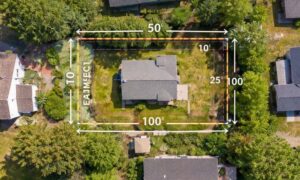
If you’re planning to build or make changes to your land, getting a topographic survey could save you a lot of trouble — and money. Whether you’re working on a new home in Roslindale, planning a renovation in East Boston, or developing property near the water in the Seaport District, a topographic survey gives you the information you need to build smart and stay within the rules.

What Is a Topographic Survey
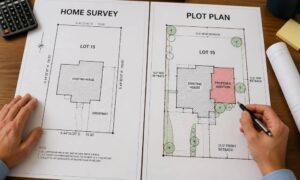
A topographic survey shows the shape and features of your land — like hills, slopes, dips, and anything already built on the property. It helps you and your builder understand how the land lays out, where water will go, and what might need to change before construction starts.
It’s not just about elevation. These surveys also show things like driveways, trees, walls, and nearby sidewalks — anything that could affect how your project is designed.
Why Are They Important in Boston?
Boston has a mix of land types — from flat coastal areas near South Boston and the Seaport to hilly spots in Jamaica Plain and Mission Hill. That means topography matters a lot.
Here’s why a topographic survey in Boston, MA is especially important:
Flood Risk Near the Coast
If you’re near the harbor or in a flood zone (like parts of Charlestown or Dorchester), you may need to show your land’s elevation to get a building permit. The city wants to make sure new buildings are safe from rising water and heavy storms.
Sloped or Uneven Land
In areas like Roxbury or Roslindale, your property might have a slope. That can make building tricky if you don’t have a plan for grading, drainage, or foundation support. A topographic survey tells your team exactly what they’re working with.
Permit Requirements
Boston’s Inspectional Services Department (ISD) may ask for a topographic plan when you apply for certain building permits — especially if your project affects grading, stormwater, or access to public land.
Who Should Get a Topographic Survey?
You might need a topographic survey if:
- You’re building a new home, garage, or addition
- You’re working on land near a flood zone
- Your lot has hills, dips, or drainage concerns
- You’re designing a new driveway or retaining wall
- You’re applying for a permit that involves changes to the land
Even if it’s not required, it’s smart to have one before starting any big outdoor project.
How It Helps You
Here’s how a topographic survey can save you time and money:
Smarter Design Plans
Your architect or engineer will use the survey to design around your land’s shape — avoiding future drainage problems or costly redesigns.
Fewer Delays
With the right data up front, your builder can avoid surprise issues that slow down construction.
Easier Permitting
City officials may ask for topographic data to approve your project. Having it ready shows you’re prepared and professional.
What Happens During the Survey?
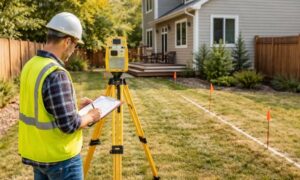
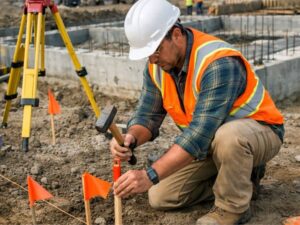
A licensed land surveyor will:
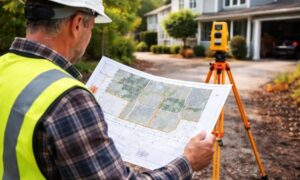
- Visit the Property – They’ll walk the land with special tools to measure the ground.
- Mark Features and Elevation Points – They’ll record slopes, flat spots, and anything built on the land.
- Create a Map or Drawing – You’ll get a detailed map showing how your land looks and where everything sits.
This map can be shared with your builder, engineer, or the city as part of your project plan.
Where in Boston Are These Surveys Most Useful?
Topographic surveys are especially helpful in:
- Seaport & South Boston – Where elevation and flood planning are critical
- Jamaica Plain & Mission Hill – Hilly areas that affect design and drainage
- Charlestown & East Boston – Older neighborhoods with tight lots and grading challenges
- Roslindale – Where slope issues can affect landscaping and additions
Final Thoughts
Before you break ground on any project, it’s important to understand how your land is laid out. A topographic survey gives you that insight—helping your team design smarter, avoid delays, and stay in compliance with local rules.
Whether your property sits on a slope, near the coast, or in a tightly packed neighborhood, having this information early can save time, money, and stress. If you’re not sure whether you need one, talking to a local surveyor is a smart first step.