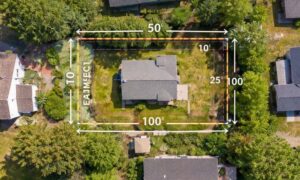

Boston changes fast. New buildings go up, old streets shift, and storms hit harder every year. Because of these challenges, the city now relies more on aerial surveying to map land, understand risks, and plan smarter projects. This method gives clearer data, quicker results, and a better way to protect communities as the weather becomes less predictable.
The city also posted a new Request for Proposals (RFP) for “Professional Land Surveying Services on an As-Needed Basis.” It covers ALTA surveys, topographic surveys, floodplain mapping, GIS work, and more. This shows that Boston wants stronger land data so engineers, planners, and builders can make better choices. Aerial surveying plays a big role in that plan.
Boston Needs Better Data to Fight Flooding
Storms are stronger now. Rain falls fast, and coastal surges reach farther inland. Boston sits on old filled land and tight street layouts, so even a small flood can cause big trouble. Because of this, the city needs data that shows how water moves through neighborhoods, where the low spots are, and how high tides affect drains.
Traditional surveys help, but aerial surveying gives much wider coverage and clearer detail. Instead of looking at one lot at a time, it maps whole areas at once. Engineers then understand the slopes, the high points, and the places where water gathers. Since flood risks change every year, Boston needs a tool that updates fast. Aerial surveying makes that possible.
Why Boston’s New RFP Signals a Bigger Shift
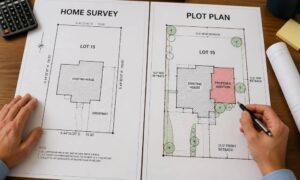
The city’s new RFP surprised many in the building and surveying industry. Boston rarely asks for such a large mix of surveying work in one request. The scope includes boundary surveys, ALTA surveys, topographic surveys, floodplain mapping, and digital terrain data. These tasks match what the city needs for big redevelopment projects and better flood planning.
Many of these services work best with aerial surveying, so the city’s message is clear: Boston wants faster mapping and stronger accuracy. This shift affects everyone—builders, surveyors, homeowners, and community groups. Projects will now depend on clearer data, fewer delays, and better planning from the start.
How Aerial Surveying Helps Understand Flood Risk
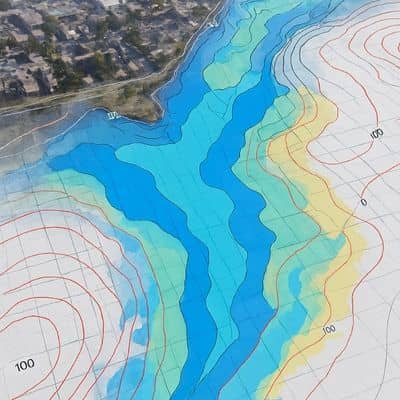
Flood modeling seems simple, but it needs thousands of small details. Aerial surveying collects these details in one flight. It maps slopes, ground height, roofs, trees, paved areas, and other features.
With this information, engineers can see where water flows, which areas slope downward, and which neighborhoods need better drainage. Many teams also use high-accuracy aerial mapping services to fill in small gaps, since even tiny changes in elevation can change how stormwater moves during heavy rain.
Because aerial surveying covers so much ground at once, the city gets new maps quickly. Engineers can test new flood situations each season and watch how neighborhoods change over time. As redevelopment moves into older areas, aerial data helps teams spot problems early.
Homeowners get better information about risk, and developers avoid costly surprises like drainage changes or unexpected grading work.
Smarter Redevelopment Starts With Better Maps
Boston continues to grow. Old buildings come down. New housing and mixed-use projects fill empty spaces. Roads change to fit new traffic plans. As this happens, strong baseline data becomes very important.
Aerial surveying supports this growth by making project planning faster. Developers stay on schedule when design teams receive accurate maps early. Engineers also rely on this data to design drainage systems, set slopes, and place utilities. Even a small mistake in these areas can cause delays, so detailed terrain maps help prevent future problems.
Aerial surveying also catches issues before construction starts. A lot that looks flat may hide dips that cause drainage trouble. Tree lines may hide small slopes. A single aerial sweep reveals these issues long before a team files permits or finalizes designs. Better data also helps teams work with the city. When plans match Boston’s mapping standards, reviews move faster and approvals come sooner.
Aerial Surveying Helps Property Owners Too
Aerial surveying does not just help big developers. Homeowners and small builders also benefit. Many homes sit on steep slopes, narrow lots, or areas close to flood zones. Aerial surveying answers important questions for families and small property owners.
It helps them see if their yard sits lower than the street, if an addition could affect drainage, or if a renovation may need elevation checks. Because aerial surveying shows the full picture, homeowners make smarter choices before hiring designers or contractors.
When Aerial Surveying Makes the Most Sense
Not every site needs aerial surveying, but many Boston areas do. It works best when a property is large, uneven, or close to a flood zone. It helps when a site needs fast topographic data or when a neighborhood changes often. It also works well in areas with slopes, tight access, or thick vegetation.
Boston’s new RFP shows the city’s direction. The city wants maps that tell the full story, and aerial surveying provides that quickly and accurately.
What This Means for the Future of Boston
The next decade will bring more redevelopment, more climate planning, and more demand for accurate land data. Boston’s new RFP is not just a job posting. It shows a long-term move toward modern tools that help the city prepare for new challenges.
Aerial surveying gives leaders better information, helps builders design safer projects, and protects neighborhoods from rising flood risks. As Boston keeps growing and changing, this technology makes sure everyone—surveyors, engineers, property owners, and planners—stays ahead.
Boston wants to build smarter and safer. Strong aerial data guides each step and helps the city reach that goal.