You finally decide to build that deck. Or maybe a small addition in the back. You sketch the idea, talk to a contractor, and feel ready to move forward.
Then the City of Boston asks for a certified plot plan.
At this point, many homeowners pause. You might already have a home survey from when you bought the property. So the question comes up fast: isn’t that enough?
In many cases, it’s not. And that’s where delays begin.
This guide clears up the difference so you can move forward without wasting time or money.
Why Boston Asks for More Than a Basic Survey
Boston takes zoning rules seriously. Even a small addition can affect setbacks, lot coverage, and spacing between structures.
Because of that, the city doesn’t just want to see what’s already on your property. They want to see how your planned addition fits within the rules.
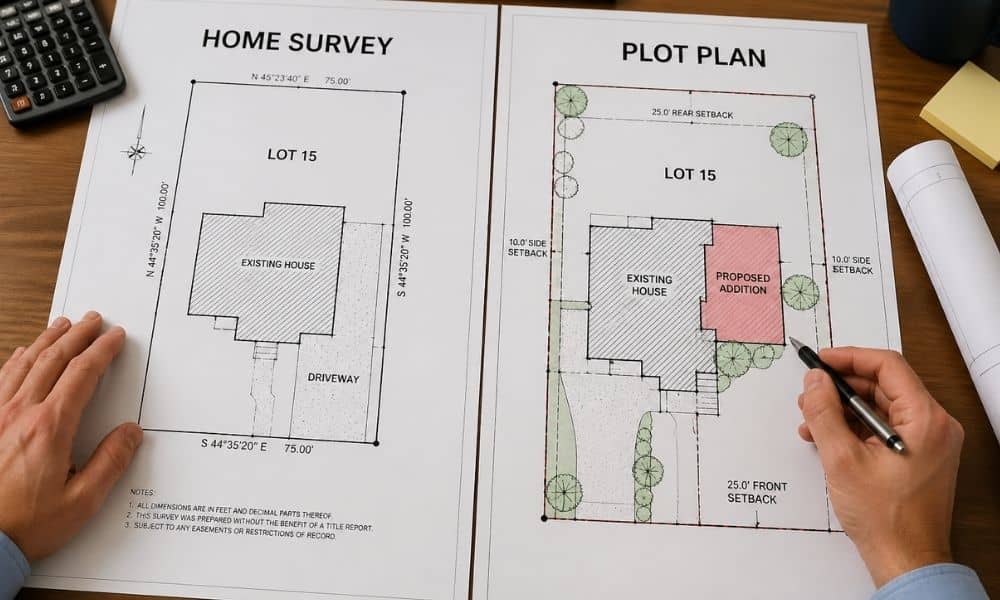
A basic home survey shows existing conditions. It does not show your future plans in a way the city can review. That gap is what causes confusion.
What a Home Survey Really Shows
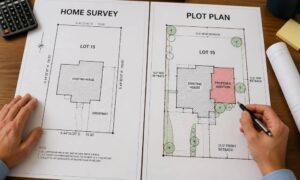
A home survey gives you a clear view of your property as it stands today.
It usually includes:
- Property lines
- The house footprint
- Fences, driveways, and visible features
This helps with ownership clarity. It also helps if you want to confirm where your lot begins and ends.
However, it stops there. It does not show new construction. It does not confirm if your addition follows local rules.
So while a home survey is useful, it doesn’t answer the city’s main concern: will this new structure fit legally on the lot?
What a Certified Plot Plan Includes
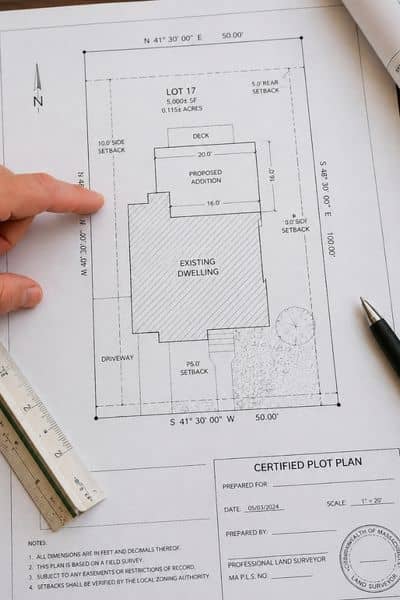
A certified plot plan goes a step further.
It starts with the same basic details as a survey, but it also shows what you plan to build. That’s the part the city needs to review your project.
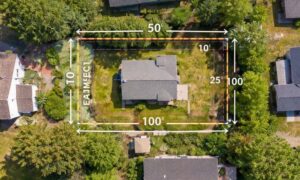
You’ll see things like existing structures, the layout of your addition, distances to property lines, setback measurements, and how much of the lot is being used.
A licensed professional signs and stamps the plan, which tells the city the measurements are accurate and ready for review. That’s why most Boston homeowners need a certified plot plan for your permit, so the city can clearly see how everything fits on the lot.
The Key Difference That Affects Your Permit
A home survey looks at the present. A certified plot plan shows the present and your future build.
That difference matters.
If you submit only a home survey, the city may ask for revisions. They might request more details or a full plot plan. Each step adds time.
On the other hand, a certified plot plan gives them what they need from the start. That keeps your project moving.
Can You Use an Existing Home Survey?
Sometimes, yes. But there’s a catch.
Your existing survey must be:
- Up to date
- Accurate to current conditions
- Detailed enough for plan conversion
If anything has changed on your property, the survey may no longer match reality. Even small changes can cause problems.
In many cases, a surveyor can use your old survey as a base. Then they update it and turn it into a certified plot plan.
So you’re not starting from scratch. You’re building on what you already have.
Where Most Boston Projects Get Stuck
Delays often come from simple mistakes.
Boston homeowners sometimes submit the wrong document or rely on plans that lack key measurements.
Sometimes, the contractor assumes the paperwork is already handled. Other times, the homeowner waits too long to involve a surveyor.
These small gaps turn into big delays once the permit review starts.
Fixing the issue later often costs more. It can also push your timeline back by weeks.
How a Land Survey Company Helps You Move Faster
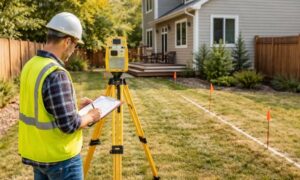
A surveyor does more than measure land.
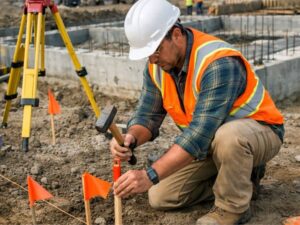
They check your property against real conditions. They confirm boundaries. Then they prepare a plan the city can review right away.
This includes:
- Accurate field measurements
- Clear layout of your proposed addition
- Proper labeling and dimensions
- Compliance with Boston requirements
Because the plan meets city standards, you avoid back-and-forth corrections.
That saves time. It also reduces stress during the permit stage.
What to Do Before You Start Your Project
If you’re planning an addition, timing matters.
Start with a clear idea of what you want to build. Then take a moment to check if your project changes your home’s footprint. If it does, you’ll likely need a certified plot plan for approval.
Before you go too far with the design, it helps to have a home survey for a home addition so you’re working with accurate measurements from the start and avoiding surprises later on.
From there, make sure your documents line up with what the city expects. Getting this right early can keep your project moving without delays.
Choosing the Right Document Makes a Big Difference
A home survey is useful. It gives you a solid understanding of your property.
But when it comes to building in Boston, that’s only part of the picture.
The city needs to see how your new addition fits on your lot. A certified plot plan shows that clearly.
Getting the right document early keeps your project moving. It also helps you avoid extra costs, missed timelines, and permit headaches. Getting clear answers early can save you weeks of delays and keep your project moving