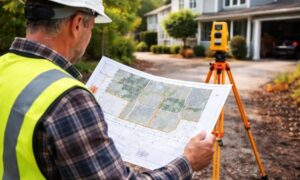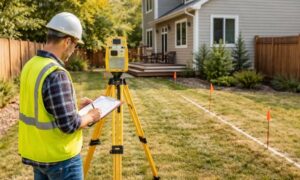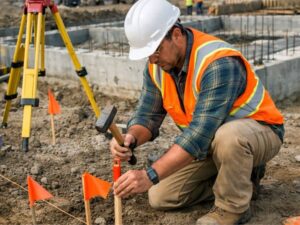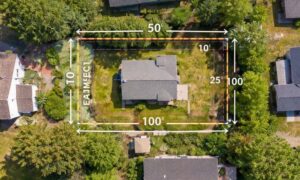
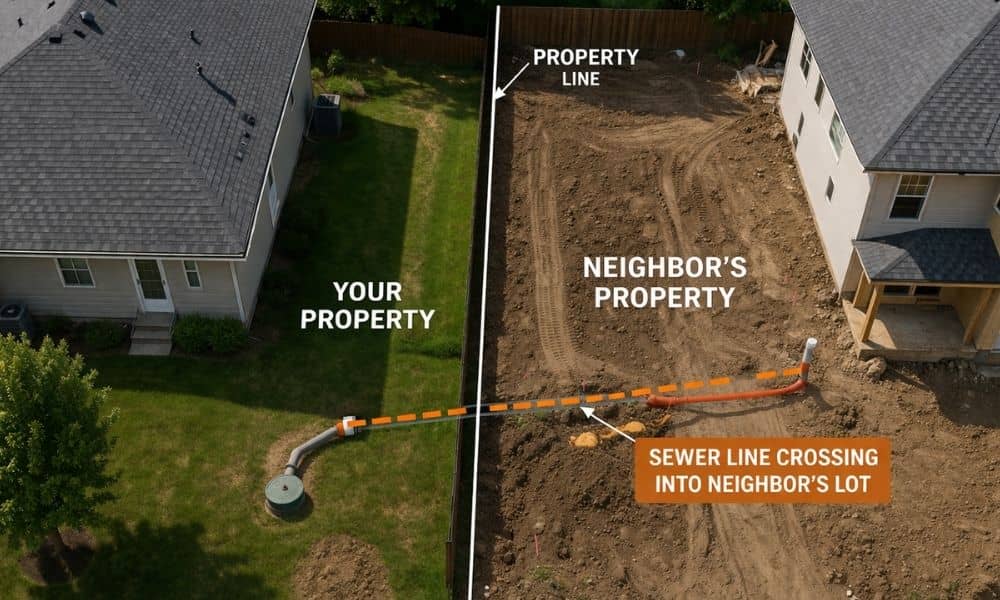
At first, everything feels normal. Your sinks drain, your toilets flush, and nothing seems out of place. However, that sense of normal can change fast. One day, the empty lot next door gets sold. Soon after, a crew shows up. They start clearing land, marking corners, and preparing to build.
That’s when a simple question turns into a real concern. Where does your sewer line actually run? It’s also the point where you start to wonder if you really know exactly where your property line is.
Many homeowners assume it stays within their property. Yet older homes don’t always follow clear lines. Years ago, builders often placed sewer lines wherever it was easiest. Because of that, some lines cross into the neighbor’s lot without anyone realizing it.
Everything works fine—until someone plans to build.
Why This Situation Escalates Quickly
Once construction begins next door, things move fast. Builders bring in equipment, dig trenches, and prepare foundations. At that point, anything underground becomes part of the risk.
If your sewer line crosses into that lot, it can get damaged during digging. In some cases, access to the line may get blocked. Even worse, the new owner might question your right to have that line on their property.
What used to be a hidden setup now becomes a visible problem.
This is where stress starts to build. You may feel unsure about what to do next. You may even hear different opinions from neighbors or contractors. However, guessing won’t solve the issue. You need something clear and reliable.
Why a Boundary Survey Is the First Step
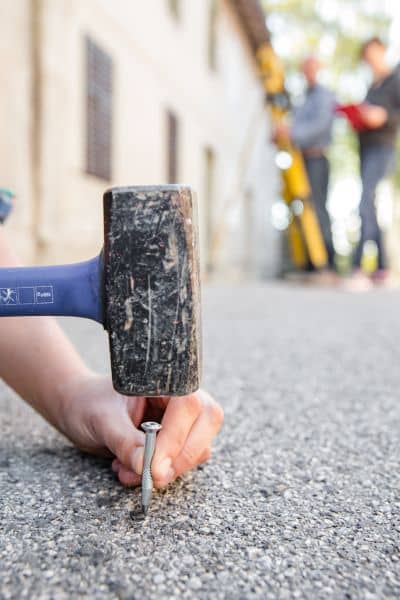
Before you take any action, you need facts. That’s exactly what a boundary survey provides.
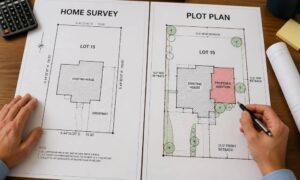
A boundary survey shows the exact limits of your property. It also shows how your home, structures, and nearby features relate to those lines, which helps confirm your property lines without relying on guesswork.
In a situation like this, it becomes your starting point. Instead of asking, “I think the line runs here,” you can say, “Here is exactly where the property line is.” That difference matters.
With a boundary survey, you can clearly see whether the sewer line stays on your property or crosses into the neighbor’s lot. You also gain a better understanding of how much of the line is affected. Because of that, you move from confusion to clarity.
What You Might Discover After the Survey
Once the boundary survey is complete, the results often bring a mix of relief and new questions.
In some cases, the sewer line stays within your property. That’s the best outcome. Still, it helps to know exactly where it runs, especially if construction is happening nearby.
In other cases, the line crosses into the neighbor’s lot. That’s when the situation becomes more complex. However, knowing the truth is always better than guessing.
The survey gives you a clear picture. It shows where the boundary sits and how the sewer line relates to it. With that information, you can start planning your next move.
More importantly, you now have something solid to work with. You’re no longer relying on old assumptions or unclear records.
Why This Issue Often Stays Hidden for Years
Many homeowners feel surprised when they discover this problem. However, it often goes unnoticed for a long time.
Sewer lines are underground, so you can’t see them. Older property records may not show exact locations. In addition, past owners may never have checked.
Because of that, everything seems fine year after year.
Then things change. A neighbor sells their lot. A builder steps in. New plans require digging and precise measurements. Suddenly, what was hidden becomes important.
That’s why this issue often appears out of nowhere, even though it has existed for years.
Why Growing Areas See This More Often
This situation shows up more often in areas with older homes and new development. As cities grow, empty lots become valuable. Builders look for space to create new homes or expand existing ones.
At the same time, older infrastructure remains in place. Sewer lines, drainage paths, and utility routes were not always designed with today’s standards in mind.
Because of this mix, conflicts start to appear.
A lot that sat empty for years now becomes a construction site. A line that worked quietly for decades suddenly sits in the path of new work.
That combination creates pressure—and that pressure brings problems to the surface.
Signs That Point to a Possible Issue
Some warning signs can help you spot a problem early.
For example, you might not know where your sewer line runs. You may notice that plumbing exits your home in a direction that doesn’t match your lot layout. Or the lot next door may suddenly be under development.
In some cases, you may never have had a boundary survey done at all.
These signs don’t confirm a problem on their own. However, they do suggest it’s time to take a closer look.
What Happens After You Get Answers
Once you have a boundary survey, you can finally make informed decisions.
If the sewer line stays on your property, you can move forward with more confidence. You still need to stay aware of nearby construction, but your risk is lower.
If the line crosses into the neighbor’s lot, you now understand the situation clearly. From there, you can explore your options. You might need to talk with the neighbor, review property records, or plan for adjustments.
Either way, the key advantage is clarity.
You move from uncertainty to understanding. And that shift makes a big difference.
Taking Action Before the Problem Grows
Timing plays an important role in situations like this. Acting early can prevent bigger issues later.
If you wait until construction is already underway, your options may become limited. On the other hand, if you act before digging starts, you have more control over the outcome.
That’s why it’s smart to reach out to a licensed professional as soon as you notice something unusual. A boundary survey gives you the information you need before the situation gets worse.
From Uncertainty to Confidence
A sewer line crossing into a neighbor’s lot can feel overwhelming at first. However, the right first step can make everything more manageable.
Instead of relying on guesswork, you can rely on facts. A boundary survey shows exactly where your property ends and how your sewer line fits into that space.
With that knowledge, you can move forward with confidence.
In the end, what was once a hidden risk becomes a clear situation you can handle. And that clarity is what helps protect your property, your time, and your peace of mind.