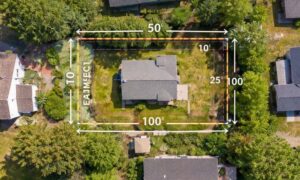
Many homeowners plan a fence, driveway expansion, or backyard project without thinking about one important detail: where the property actually ends. It may sound simple. However, property boundaries are not always obvious on the ground. A fence, tree line, or old stone wall might look like the boundary, yet that assumption can be wrong. Before starting any project near the edge of your yard, it is smart to find property lines first. Doing this protects your investment, prevents conflicts with neighbors, and ensures your project follows local regulations.
Why Property Lines Matter Before You Build
In many Boston neighborhoods, homes sit close together. Lots in areas like Dorchester, Jamaica Plain, and South Boston often leave little space between properties. Because of that, even a small mistake in boundary placement can cause big problems.
For example, imagine installing a new fence only to learn later that it sits two feet inside your neighbor’s yard. That mistake could force you to remove the fence and rebuild it. In some cases, neighbors may even take the dispute to court.
The same problem can happen with driveways. If the edge of a driveway crosses a boundary line, the owner may need to tear out part of the work.
Therefore, homeowners should always confirm their boundaries before starting projects such as:
- Fence installation
- Driveway expansion
- Shed construction
- Garage additions
- Retaining walls
- Landscaping features near the edge of the yard
Taking time to find property lines early can prevent expensive corrections later.
Why Fences and Maps Are Not Reliable Boundaries
Many homeowners assume that a fence marks the true boundary. Unfortunately, that assumption often leads to trouble.
Over the years, fences may move or get rebuilt in slightly different locations. In older Boston neighborhoods, property markers sometimes disappear under landscaping, sidewalks, or pavement. Because of that, the fence you see today might not match the legal boundary recorded in property documents.
Online maps can also create confusion. Websites or satellite maps show property outlines, yet those lines are only estimates. They do not show exact measurements or legal boundaries.
Even city parcel maps provide only a general reference. They help identify lots, but they do not replace a professional boundary survey.
Because of this, homeowners who want to find property lines accurately should avoid relying on fences, satellite images, or rough parcel maps alone.
First Step: Check Your Property Deed
One of the first places to look when trying to find property lines is the property deed. The deed contains a legal description of the land. It often lists measurements, directions, and reference points used to define the lot.
For example, a deed might describe a property boundary using distances and compass directions. It may also reference nearby streets, monuments, or other properties.
However, reading these descriptions can be difficult for homeowners. Deed language often uses technical terms and older surveying references. While the information helps professionals, it does not always make sense without training.
Still, reviewing the deed can give you a better understanding of how the property was originally measured.
Second Step: Look for Property Corner Markers
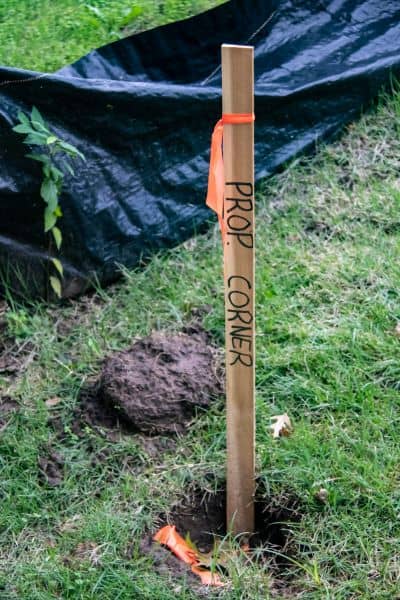
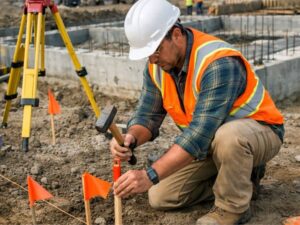
Another helpful method involves searching for physical markers placed at the corners of the property. When surveyors map a property, they often place small metal rods, called survey pins, in the ground.
These pins usually sit at the corners of the lot. In many cases, they rest a few inches below the surface.
You might find them:
- Near sidewalks or curbs
- Along fence corners
- At the edges of landscaping
- Near driveway boundaries
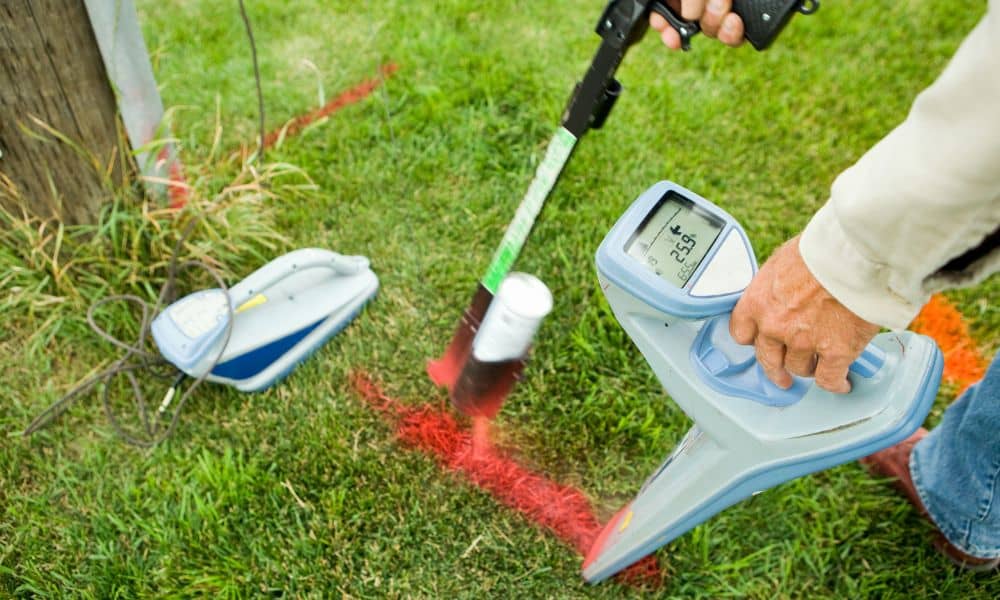
Sometimes a metal detector helps locate buried markers. However, homeowners should avoid disturbing them. Moving a survey marker can create legal problems.
Even if you locate these pins, they may not tell the full story. Over time, construction or landscaping may shift markers or hide them completely.
Third Step: Review Previous Survey Plans
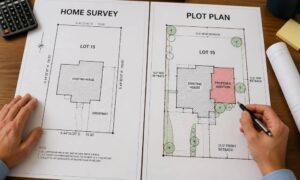
Some homeowners receive a plot plan or survey when they buy the property. These documents show the boundaries, building locations, and dimensions of the lot.
If you still have those papers from closing, they can provide a good starting point. However, older surveys may not reflect changes that occurred over the years. For instance, neighboring structures or fences might have moved.
Therefore, older documents help with general understanding but should not guide construction decisions by themselves.
When You Need a Professional Survey
Although the previous steps offer clues, they rarely provide enough certainty for construction projects. Because of that, many homeowners decide to speak with experienced Boston land surveyors before building anything near the edge of their property.
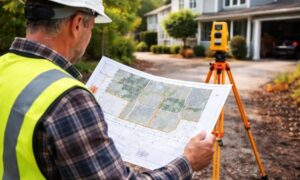
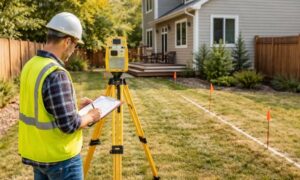
A professional survey provides the most reliable way to find property lines. Surveyors begin by researching public records, deeds, and historical surveys. After that, they visit the property and take precise measurements using advanced equipment. These measurements allow them to calculate the exact boundary locations.
Once the survey is complete, the surveyor marks the corners of the property on the ground. This process clearly shows where construction can safely occur.
Because the survey follows legal standards, it also provides documentation if a dispute arises later.
How Surveys Help Prevent Neighbor Disputes
Boundary conflicts often start with small misunderstandings. A homeowner might place a fence where they believe the property ends. Meanwhile, the neighbor may believe the boundary sits somewhere else.
Without clear evidence, these disagreements can quickly escalate.
However, a professional survey removes the uncertainty. When both neighbors see the verified boundary, the situation becomes easier to resolve.
In many cases, simply marking the property corners prevents arguments before they begin.
Preparing Before Hiring a Surveyor
Homeowners can make the process easier by gathering a few documents before contacting a surveyor.
Helpful information includes:
- Property deed
- Previous surveys, if available
- Closing documents from the home purchase
- Details about the planned project
Sharing this information helps the surveyor understand the property history and project goals.
As a result, the survey process often moves faster and more smoothly.
Final Thoughts
Building a fence or driveway may seem like a simple home improvement project. Yet the location of that project matters just as much as the design.
Before starting construction, homeowners should always take time to find property lines accurately. Fences, landscaping, and online maps may look convincing, but they rarely show the true boundary.
Instead, confirming the boundary through proper research or a professional survey ensures the project stays within the legal limits of the property.
In a city like Boston, where homes often sit close together, knowing the exact boundary protects your investment and keeps neighbor relationships positive. By identifying the property lines first, homeowners can move forward with confidence and avoid costly mistakes.