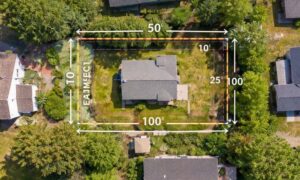

Drone land surveying changed how cities are measured. For years, drones helped surveyors work faster, safer, and with fewer boots on the ground. In dense cities, that mattered a lot. Tight lots, tall buildings, and busy streets made aerial data a smart solution.
However, things are shifting. Not because drones stopped working—but because cities are getting more complex, rules are tightening, and expectations are higher. As a result, drone land surveying workflows are being rethought, especially in urban areas where mistakes cost time and money.
This change affects more than surveyors. It also affects property owners, developers, architects, and builders who rely on clean data to move projects forward.
Urban Density Changes Everything
Dense cities push every system to its limit. Space is limited. Schedules overlap. Access changes daily. Because of that, survey work has no margin for error.
In suburban or rural areas, survey crews can adjust if something goes wrong. In cities, that flexibility disappears. A blocked alley, a crane swing, or a last-minute street closure can shut down access for days. Even weather matters more. A missed drone flight window can delay an entire design package.
Because of this, surveyors are no longer asking, “Can we fly a drone?” Instead, they ask, “Is this the right moment, method, and setup to fly?”
That shift changes everything.
From Fast Capture to Reliable Delivery
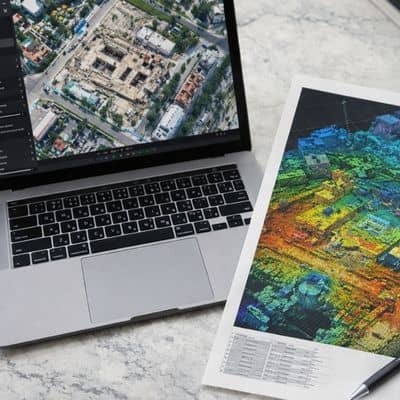
Early drone land surveying focused on speed. Fly quickly. Capture data. Deliver models fast. That worked well when projects had room to adjust.
Today, speed alone does not protect a project. In dense cities, reliability matters more. Survey data often feeds multiple teams at once. Engineers, architects, and contractors all depend on it. If one dataset causes confusion, everyone feels it.
As a result, surveyors now design workflows that reduce risk. They plan flights earlier. They verify access in advance. They build backups into data capture. That way, if conditions change, the project does not stall.
This approach may look slower at first. In reality, it saves time later.
Why Drone Use Is Becoming More Selective
Drones still play a key role. However, they are no longer the automatic first step on every site.
Surveyors now choose drone land surveying based on project phase, site conditions, and data needs. For example, a drone might work best during early planning. Later, ground-based checks may take priority. In other cases, both methods work together from the start.
This selective use improves outcomes. It prevents gaps in coverage. It also reduces the chance of needing return visits, which are hard to schedule in active urban zones.
For clients, this means fewer surprises and smoother handoffs.
Tighter Rules Mean Better Planning
Urban airspace comes with more rules. Nearby airports, hospitals, and emergency corridors limit flight options. While drones remain legal, approval and coordination take more effort.
Because of that, surveyors plan more before flying. They review restrictions early. They coordinate with site managers sooner. They schedule flights around other trades instead of reacting at the last minute.
This planning protects the client. It reduces delays caused by denied access or rushed data collection.
What Clients Will Notice Has Changed
Most clients never see the drone flight. Still, they notice the results of better workflows.
First, surveyors now ask more questions upfront. They want to know when access changes. They ask about cranes, scaffolding, and site activity. That helps them plan data capture that actually works.
Second, deliverables feel cleaner. Models align better with design needs. Elevations match expectations. Revisions happen less often.
Third, coordination improves. Engineers and architects receive data they can use right away. That keeps projects moving without extra calls or corrections.
Why Dense Cities Feel These Changes First
Urban projects compress everything. Timelines overlap. Permits move fast. Construction phases stack tightly. When survey data slips, it affects many teams at once.
Because of this, surveyors working in dense cities adapt sooner. They cannot rely on simple workflows. They need systems that survive real-world conditions.
Drone land surveying still matters. Yet how it fits into the overall process now matters more.
Choosing the Right Survey Partner Matters More Than the Tool
Clients often focus on technology. While tools matter, workflows matter more.
A good drone land surveying provider does not promise speed alone. Instead, they explain how they manage access, verification, and delivery. They plan for change. They protect the schedule.
Before hiring, clients should ask how the surveyor adapts to site constraints. They should ask how data is checked before delivery. These answers reveal whether the firm understands urban complexity.
The Bigger Picture
Drone land surveying is not going away. In fact, it continues to improve. Sensors are better. Software is smarter. Data quality keeps rising.
What has changed is the mindset.
In dense cities, success depends on planning, coordination, and reliability. Surveyors who rethink workflows deliver stronger results. Clients who understand this shift avoid delays, reduce rework, and gain confidence in their data.
In the end, smarter workflows lead to better projects. That is why drone land surveying is evolving—and why that evolution matters now more than ever.