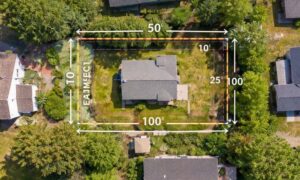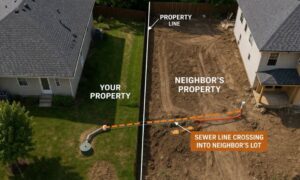
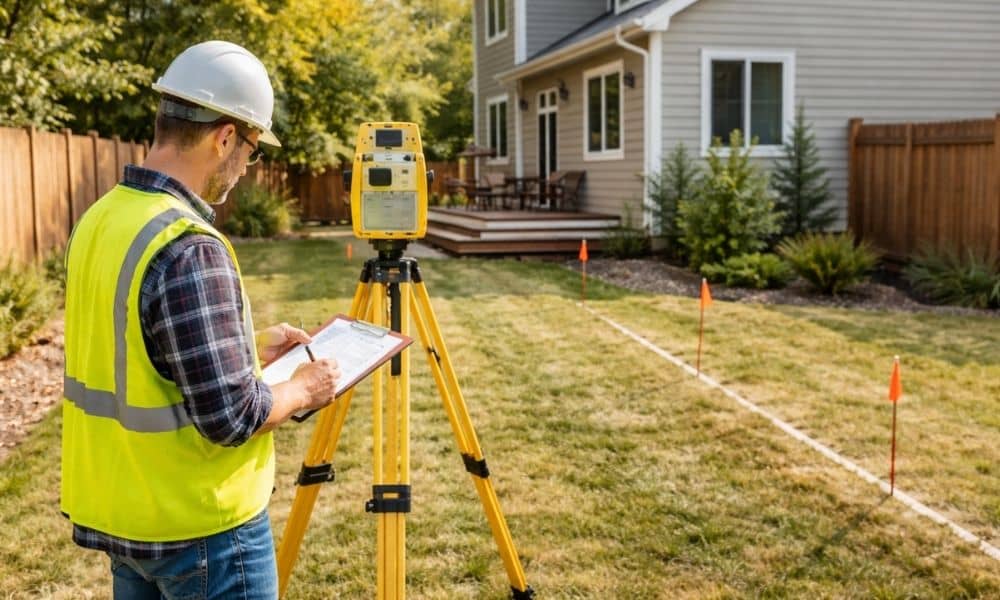
Many homeowners in Boston start thinking about ways to create more space. Some plan a small backyard unit. Others look at turning a garage into something livable. At first, it all feels pretty straightforward. You can already picture how it might look and how the space will come together. So you reach out to a designer and start sketching ideas. Things move fast, and it feels like everything is falling into place. Then the project hits a wall. The layout doesn’t actually fit your lot. This happens more often than people expect. A plan can look great on paper, but once you compare it to the real space, things don’t line up. That’s usually when people realize they should have checked their boundaries earlier—often by getting a property line survey for your lot before getting too far into design. It gives you a clear sense of what you’re working with, instead of finding out the hard way later.
Why Boston lots change everything
Homes in Boston tend to sit close together. Yards are smaller, and side spaces can feel tight. In many neighborhoods, lots don’t follow clean, simple shapes either. Some were divided a long time ago, which adds to the challenge.
Because of that, even a small miscalculation can throw off a design.
On top of that, older homes don’t always line up perfectly with where the property edges actually are. Over time, people add sheds, patios, or small extensions. These changes affect how much usable space you really have.
So even if your yard looks open, it might not be enough for what you’re planning. That’s where a lot of designs start to run into trouble.
The problem with starting the design too early
Most people begin with the design. It feels like the right place to start, so they jump into layouts and ideas. At first, everything looked fine. You approve the plan and start thinking about moving forward.
Then someone checks the actual distances on the lot.
That’s when things start to fall apart.
The structure ends up too close to the edge. The spacing doesn’t meet the rules. Parts of the design cross limits you didn’t even know existed. In many cases, it comes down to the same issue—the plan was based on rough assumptions, not on how the lot actually sits, like when no one has looked at the surveyed property lines before drawing things up.
Now you’re backtracking.
That means more time, more cost, and sometimes reworking the entire layout. It’s frustrating, especially when you thought you were already on track.
What a property line survey really gives you
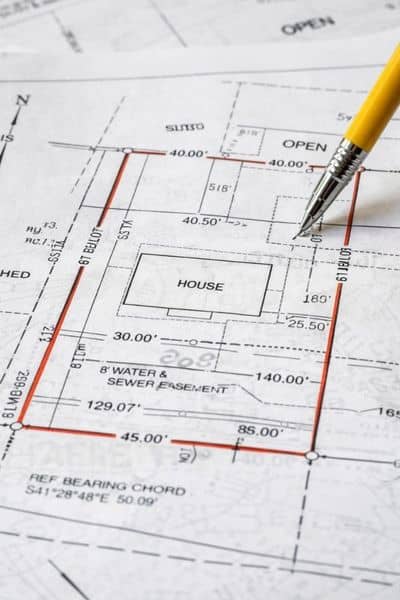
A property line survey shows you the true edges of your lot as it exists today—not just what older records say.
You can see exactly where your property begins and ends. You can also see how your home sits within those lines, and how much space is actually available for something new.
That clarity changes everything.
Instead of guessing, you’re working with real measurements. That makes it much easier to design something that actually fits.
Why your eyes can trick you
It’s easy to trust what you see. A fence might look like the boundary. A driveway might seem centered. A side yard might feel wide enough.
But those visual cues can be misleading.
Fences shift. Past owners may have placed things without exact measurements. Older layouts don’t always match what’s on record.
So even if something looks right, it might not be.
And when you base a design on that assumption, problems tend to show up later.
How the survey shapes your ADU plan
Once you have a property line survey, your design process becomes much more straightforward.
Your designer can place the ADU where it actually fits. The size becomes realistic. The spacing between structures is clear from the start.
Because of that, you avoid constant adjustments.
Instead of fixing things later, you get it right early. That keeps the project moving without unnecessary delays.
Starting in the right order saves time
There’s a better way to approach an ADU project.
Start by understanding your lot. Then move into design. After that, handle approvals and construction.
When you follow that order, everything feels more manageable.
If you skip ahead and design first, there’s a good chance you’ll need to go back and fix things. That slows the process down and adds stress.
Starting with accurate information helps everything else fall into place.
What many homeowners miss
Some people assume smaller projects don’t need as much planning. They think an ADU will just fit into the space they already have.
But in Boston, space is tight. There isn’t much room for error.
Homeowners often rely on rough measurements or memory. They assume their lot is simple. They expect a small structure won’t cause issues.
But even small changes can affect spacing in a big way.
That’s why skipping this step early on can lead to bigger problems later.
Think of a survey as part of the design
A lot of people treat a property line survey as something separate from design. They see it as a step that comes later.
In reality, it should come first.
It helps shape your layout. It gives your designer accurate information to work from. It also keeps expectations grounded from the beginning.
That way, you avoid surprises down the line.
Build based on real space, not guesses
Every ADU project comes down to one thing—space.
Not imagined space, but real, usable space.
Your lot has limits. Those limits define what you can build.
When you understand those limits early, everything becomes easier. You avoid redesigns. You avoid delays. You keep your project on track.
A property line survey gives you that clarity.
So before you move forward with your ADU, take a step back and understand your lot first. It’s a simple move, but it can save you a lot of time, cost, and frustration later on.