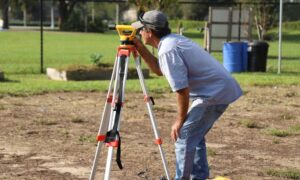

Buying land can feel exciting. You may picture a future home, a small project, or a long-term investment. However, land can hide details that buyers cannot see during a simple visit. Property lines may sit somewhere different than expected. The ground might slope more than it looks. In some areas, flood risk can also affect how the land can be used. Because of this, many buyers start with survey mapping before they make a final choice.
Survey mapping helps people understand land before they buy it. It shows where parcel boundaries sit, how the land rises or falls, and whether the property may face water risks. Boston also offers public mapping tools that make this early research easier.
Although these tools cannot replace a professional survey, they can help buyers notice possible concerns before spending money on building plans or design ideas. After all, having reliable land survey data before buying property can make a big difference when you want to understand what the land is really like.
Why Survey Mapping Matters When Buying Property in Boston
Boston is not a typical city when it comes to land. Many neighborhoods grew hundreds of years ago, and property layouts changed as the city expanded. In some places, land once sat under water before builders filled it to extend the shoreline. Because of this history, many parcels have unusual shapes and boundaries.
As a result, buyers sometimes think a property works one way, then learn something different later.
For example, a lot may look large from the street. Yet once parcel lines become clear, the usable space may feel smaller. In other cases, a fence or driveway may sit slightly outside the real property line.
Survey mapping helps reveal these details early.
Instead of relying only on listing photos or real estate descriptions, buyers can review mapping data that shows the real layout of the land. This early look helps buyers ask better questions before moving forward.
Understanding Parcel Boundaries Before You Buy
One important part of survey mapping involves parcel boundaries. A parcel is a piece of land with legal property lines recorded in city records. These lines show where one property ends and another begins. Knowing this early helps buyers understand exactly what they are purchasing.
Boston property maps show these parcel shapes across the city. When buyers review this information, they can see how a lot sits compared to nearby buildings and streets. This simple step often reveals details that are easy to miss during a quick visit.
Sometimes a parcel stretches farther back than it appears from the road. In other cases, the lot may narrow toward the rear of the property. Dense neighborhoods can also place homes very close to property lines. Because of this, space for additions, garages, or fences may be smaller than buyers expect.
Reviewing parcel maps early can prevent confusion later. For example, a homeowner might plan to build a garage beside the house. Yet once the property line becomes clear, local setback rules may limit how close that structure can sit to the boundary.
Online parcel maps still provide only general guidance. A licensed land surveyor must confirm the exact boundary location using field measurements and legal records. For this reason, many buyers decide to have the property lines checked through accurate property boundary surveys before moving forward. Doing this helps confirm where the real boundary sits and reduces the chance of disputes or construction issues later.
Why Elevation Matters More Than Most Buyers Expect

After reviewing parcel lines, buyers should also look at the shape of the land. Elevation means how high or low the ground sits compared to nearby areas.
At first, a property may appear flat. However, terrain data often shows small slopes across the land.
These slopes matter more than many buyers expect.
Low areas can collect rainwater after storms. Sloped ground may need grading before construction begins. In addition, building design often depends on the shape of the ground.
Boston properties sometimes include hidden elevation changes because of the city’s long history of building and rebuilding. Some areas even include land that builders filled many years ago.
Because of this, survey mapping that shows elevation data can provide useful insight.
When buyers review terrain information, they may notice drainage paths, small slopes, or areas where water may move during heavy rain. These details help builders, engineers, and designers plan projects more safely.
Later, surveyors often perform a topographic survey to measure elevation with greater accuracy.
How Flood Risk Connects to Survey Mapping
Boston sits along the coast, so flood awareness is important for property buyers. Waterfront districts, low areas, and neighborhoods near rivers may face higher water risk during storms.
Because of this, flood maps often connect with survey mapping tools.
Flood risk maps show areas that may flood during strong storms or severe weather. These maps also help lenders and insurance companies understand property risk.
For buyers, this information answers an important question: how safe is the land during extreme weather?
A property near the harbor may still sit high enough to avoid flood problems. However, another parcel only a few blocks away could fall inside a higher-risk zone.
Ground elevation plays a big role in these differences. Even a small change in height can affect how water moves during storms.
Therefore, reviewing flood data together with survey mapping gives buyers a clearer view of the property.
This knowledge can affect building plans, insurance costs, and long-term property use.
Why Online Survey Mapping Should Lead to a Professional Survey
Online mapping tools give a helpful starting point. They show parcel shapes, terrain patterns, and flood zones across Boston.
However, these tools still provide only an overview.
Parcel boundaries shown online may not match the exact legal line on the ground. Terrain data may also use broad measurements that lack the accuracy needed for construction.
Because of this, buyers should treat survey mapping as an early research step rather than a final answer.
A licensed land surveyor performs the work that confirms these details. Surveyors locate property corners, measure elevations carefully, and identify easements or encroachments that affect the land.
This process creates legal documents that builders, lenders, and city officials rely on during development.
For buyers, a professional survey protects the investment and removes uncertainty about the property.
Making Smarter Property Decisions with Survey Mapping
Buying land always involves some risk. However, buyers who review survey mapping information gain a clearer understanding of what they plan to buy.
Parcel boundaries show how the land fits within the neighborhood. Elevation data reveals how the terrain behaves during rain and drainage. Flood maps help buyers understand possible water risks.
Together, these insights create a fuller picture of the property before major financial decisions happen.
In Boston, where land history, shoreline changes, and dense neighborhoods shape many parcels, this research becomes even more valuable.
Survey mapping allows buyers to move forward with better knowledge and fewer surprises. Then, when a professional survey confirms the details, the path toward building or investing becomes much safer.