
An ALTA Survey in Boston, MA is essential for urban infill projects where old and unrecorded underground utilities can cause major construction issues. These surveys help identify visible surface features and recorded easements that point to the location of buried pipes, cables, and other systems. In dense urban areas, this information helps builders plan safely, avoid hitting unknown utilities, and reduce costly mistakes during excavation.
Infill Development Challenges in Boston’s Utility-Heavy Areas
Many neighborhoods in Boston were built long ago. Over time, new utilities were added, often without clear records. Some service lines even run across property lines without written agreements.
This creates problems like:
- Risk of hitting hidden pipes or wires
- Delays in getting permits
- Costly design changes during construction
These problems are common but avoidable with the right survey data.
Using Surface Clues to Locate Underground Utilities
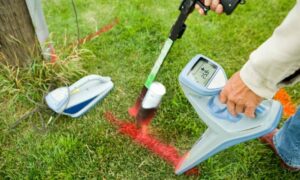
Even if utilities are buried, signs of them can often be seen on the surface. ALTA Surveys include these signs to help guess what’s below.
Examples include:
- Manhole covers and small metal plates
- Water shut-off points near sidewalks
- Cable or electrical boxes along property lines
These clues are useful for mapping and planning before digging begins.
Checking Title Commitments for Easements and Restrictions
An ALTA Survey also reviews title documents. One part, called Schedule B-II, lists recorded easements that may affect the site.
This can show:
- Utility rights that cross the land
- Areas where digging or building is limited
- Shared access paths with neighbors
When these records are missing or outdated, the survey helps point them out.
Spotting Utility Conflicts Before Construction Starts

If underground utilities are not found early, they can stop the work. A builder may have to move a foundation, delay digging, or pay to reroute a pipe.
With an ALTA Survey, developers can:
- Find conflicts with underground systems
- Adjust designs before permits are submitted
- Avoid costly mid-project changes
This leads to safer and faster construction.
Helping Utility Companies and City Reviewers Approve Plans
Survey results also help teams talk to utility providers and city officials. Sharing clear data speeds up review and lowers the chance of needing major changes later.
This helps:
- Get fast approval for needed easement changes
- Plan new utility routes clearly
- Move through permitting with fewer questions
Well-prepared plans lead to fewer delays.
Keeping Survey Data Useful After the Project Is Done
The value of an ALTA Survey doesn’t end after building is complete. The data can be used for future repairs, updates, or city inspections.
Benefits include:
- Knowing where systems are before future digging
- Making it easier to get permits for upgrades
- Avoiding damage to pipes or wires later
Good records save time and money long after construction ends.
Frequently Asked Questions
1. What does an ALTA Survey show about utilities?
It shows visible signs and records of underground systems that may affect building plans.
2. Why is this important in Boston?
Many older areas have hidden or unrecorded utility systems that can cause problems during construction.
3. Can this survey help with permit approvals?
Yes. It gives clear site data, which helps city reviewers understand the site faster.
4. Does it replace 811 utility locates?
No. You still need to call 811, but the ALTA Survey helps with planning before that step.
5. Should I get this survey for every infill project?
If the area is tight or has old infrastructure, yes it helps avoid costly surprises.