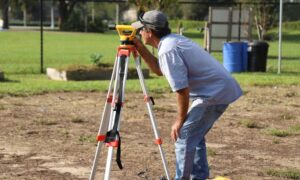

Boston is one of the oldest cities in the country. Because of that, many properties sit on land that was divided, sold, and recorded long before modern standards existed. As a result, preparing for a lot survey often takes more care than people expect. Older deeds, uneven parcel shapes, and tight neighborhoods all play a role.
If you own, buy, or plan to build on a property, understanding how to prepare can save time, money, and stress. More importantly, it helps ensure your survey reflects what actually exists on the ground—not just what is written on paper.
Why Boston Lot Surveys Are Often More Complex
In many parts of the country, property lines follow neat rectangles. Boston is different. Older neighborhoods developed over centuries, not decades. During that time, land was divided using landmarks like stone walls, trees, or fence lines. Unfortunately, many of those markers no longer exist.
Because of this, a lot survey in Boston often involve research, interpretation, and judgment. Surveyors must compare old records with present-day conditions. That process becomes harder when deeds use vague language or reference features that disappeared years ago.
However, with the right preparation, you can make the process smoother and more accurate.
Start With the Right Property Records
Before any field work begins, gather every document tied to your property. This step matters more than most people realize. While one deed helps, several documents together tell a clearer story.
Look for:
- Your current deed
- Any older deeds connected to the property
- Past plot plans or mortgage surveys
- Title documents that mention easements or shared access
Even if some papers seem outdated, they still provide clues. Older descriptions often explain how the land was originally divided. When surveyors see these details early, they can resolve conflicts faster.
As a result, preparation reduces delays and avoids repeat site visits.
Understand Why Irregular Property Lines Exist
Many lots look uneven on a map. Some angle inward. Others widen at the back. This layout usually traces back to how the land developed.
For example, early landowners split large tracts into smaller parcels over time. Streets shifted. New buildings appeared. Meanwhile, property lines stayed the same. Eventually, odd shapes became the norm.
Because of that history, surveyors rarely expect perfect alignment in older neighborhoods. Instead, they look for consistency between records and long-standing physical features.
Knowing this helps set realistic expectations. A lot survey does not “fix” irregular lines—it defines them accurately.
Walk the Property Before the Survey
Before the survey crew arrives, walk your property carefully. Look for anything that might affect boundary placement.
Pay attention to:
- Fences and retaining walls
- Driveways or shared access paths
- Sheds, decks, or additions near edges
- Old markers like iron rods or stones
If something sits close to where you believe the line is, note it. These details help surveyors understand how the land has been used over time. In many cases, long-standing features influence how boundaries are interpreted.
Also, clear vegetation near corners if possible. Easy access allows faster and more accurate measurements.
Be Aware of Common Issues With Older Deeds
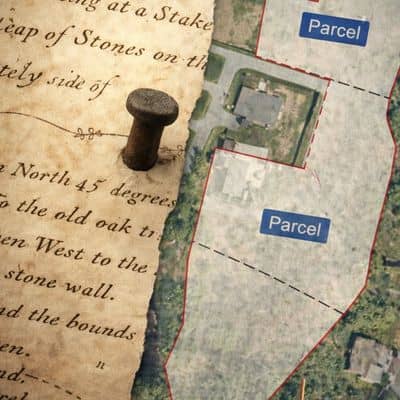
Older deeds often describe land using distances and directions that do not match today’s measurements. Some may say “to the old oak tree” or “along the stone wall.” Since those features no longer exist, interpretation becomes necessary.
Surveyors compare multiple sources to resolve this:
- Adjacent property deeds
- Recorded plans in city archives
- Existing monuments found in the field
Because of this process, preparation matters. When owners understand that surveys rely on evidence—not guesswork—they avoid frustration later.
Know How a Lot Survey Affects Projects and Sales
A lot survey impact more than just boundary lines. It often plays a role in renovations, property sales, and financing.
For example, unclear boundaries can delay permits. They can also raise questions during a home sale. Lenders and buyers want confidence that structures sit within legal limits.
By preparing early, you avoid last-minute problems. In many cases, resolving boundary questions before construction begins prevents costly redesigns.
Communicate Clearly With Your Surveyor
Good communication makes a big difference. When you contact a surveyor, explain your goals clearly. Are you selling the property? Planning an addition? Resolving a dispute?
Also, ask how they handle older records. Surveyors experienced with properties understand local challenges. They know where to look for historic plans and how to interpret conflicting data.
When expectations align early, the lot survey stays focused and efficient.
Why Skipping Preparation Often Backfires
Some property owners try to save time by skipping prep work. Unfortunately, that choice often leads to delays.
Without proper documents, surveyors must search longer. Without site access, field work slows down. Without context, misunderstandings grow.
In contrast, preparation leads to smoother results. It helps surveyors confirm boundaries with confidence. It also reduces the chance of disputes later.
Final Thoughts:
Preparing for a lot survey requires more than scheduling a visit. It means understanding your property’s history, gathering records, and recognizing why irregular lines exist.
Although older deeds can complicate things, they also tell a story. When surveyors and property owners work together, that story becomes clear.
By preparing early and staying involved, you protect your investment and move forward with confidence—whether you are building, selling, or simply seeking clarity.
In a city shaped by history, a well-prepared lot survey ensures your property fits accurately within it.