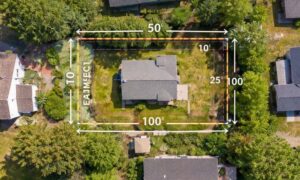

If you’re buying commercial property in Boston this year, something important just changed. The 2026 alta survey standards are now officially in effect. That means every new ALTA survey must follow updated national rules. And while that may sound technical, it directly affects your closing.
In fact, lenders and title companies already review surveys under the new format. So if your survey does not match the 2026 standards, you may face revisions before funding. Therefore, Boston commercial buyers need to understand what changed and what to check before closing.
What Is Different About the 2026 ALTA Survey?
An alta survey has always followed strict national guidelines. However, the 2026 update refined several areas. The changes focus on clarity, consistency, and better alignment with title commitments.
These updates do not change how land gets measured in the field. Instead, they change how the survey gets documented, certified, and presented.
Here are the key differences that matter most.
Clearer Certification Language
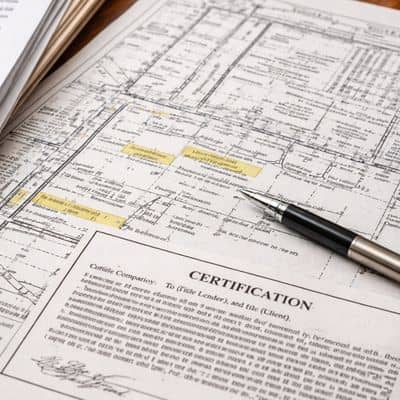
First, the certification block now requires more precise wording. Lenders often provide exact language that must appear on the survey. Under the new standards, surveyors must follow structured certification formatting more closely.
Why does this matter? Because lenders review that section carefully. If the certification language does not match their requirements, they may reject the survey until it gets corrected.
In a city like Boston, where commercial loan amounts stay high, lenders want no ambiguity. Therefore, certification wording now plays a bigger role in approval.
More Structured Table A Reporting
Next, the 2026 standards refine how Table A items appear on the survey.
Table A includes optional features such as parking counts, building heights, access points, and utility observations. In the past, some surveys listed these items in different formats. Now, the standards push for clearer, more consistent reporting.
As a result, title reviewers can easily confirm which items were requested and how they appear on the map. That consistency reduces confusion. However, it also means sloppy formatting will stand out immediately.
If you selected certain Table A items, make sure your alta survey clearly shows them.
Stronger Emphasis on Boundary Evidence
Boston properties often come with layered history. Deeds change over decades. Parcels get divided and reassembled. Older monuments may sit beneath pavement or landscaping.
The 2026 standards clarify how surveyors must document found and set monuments. They also require clearer explanation when field evidence differs from recorded documents.
Because Boston contains many historic parcels, this update carries weight locally. A survey must clearly explain how the boundary was determined. Lenders and attorneys now expect that clarity.
Why Boston Buyers Should Pay Extra Attention
Boston presents unique challenges. Commercial parcels often sit tight against neighboring buildings. Some properties involve air rights. Others include shared driveways or long-standing easements.
Therefore, even small documentation inconsistencies can raise questions. Under the new standards, reviewers will not overlook vague notes or unclear references.
In addition, national lenders often apply stricter review standards in high-value markets like Boston. So while the 2026 update applies nationwide, enforcement may feel stronger here.
That does not mean your deal will fall apart. However, it does mean you must confirm compliance early in the process.
How Title Companies Are Reviewing Surveys Right Now
Title companies want clean alignment between three things:
- The legal description
- The title commitment
- The alta survey
Under the 2026 rules, survey notes must clearly reflect recorded easements and restrictions listed in Schedule B of the title commitment. If inconsistencies appear, reviewers will request clarification.
Furthermore, certification language must match exactly what the lender requested. Even minor wording differences can trigger revisions.
Because of that, communication between your surveyor, attorney, and lender matters more than ever.
Four Smart Checks Before You Close
Before you reach the closing table, take a few simple steps.
First, confirm that your alta survey references the 2026 ALTA/NSPS standards. The version year should appear clearly in the title block or certification.
Second, review the certification language with your lender. Make sure the wording matches what they require.
Third, verify that selected Table A items appear clearly on the survey face. Do not assume they were included automatically.
Fourth, compare the survey to the latest title commitment. Look for consistency in easements, access rights, and legal descriptions.
These checks take little time. However, they can prevent unnecessary revisions.
What Happens If the Survey Does Not Meet the 2026 Standard?
If a survey does not meet the new format, you may need re-certification or updated documentation. In some cases, the surveyor may need to revise notes or redraw portions of the map.
That process can add extra review time. Additionally, attorneys may need to confirm corrected language. While these steps do not usually derail a deal, they can slow funding.
Because commercial transactions move on tight schedules, even small corrections feel stressful. Therefore, confirming compliance upfront protects your timeline.
The Bigger Picture: Precision Builds Confidence
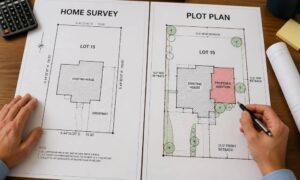
At its core, an alta survey protects your investment. It connects the legal description on paper to physical conditions on the ground. Lenders rely on it. Title insurers depend on it. Buyers use it to understand risk.
The 2026 update simply reinforces that role. It pushes for clearer documentation, stronger certification, and consistent reporting.
For commercial buyers, that clarity builds confidence. When your survey aligns cleanly with title and loan documents, the closing process moves smoothly.
Final Thoughts
The new 2026 standards do not make the alta survey more complicated. Instead, they make it more precise.
If you plan to purchase commercial property, take a proactive approach. Confirm that your survey follows the 2026 requirements. Coordinate certification language with your lender. Review Table A items carefully.
Most importantly, work with a licensed land surveyor who understands both the updated standards and Boston’s complex property landscape.
A compliant alta survey does more than satisfy paperwork. It supports a confident closing and protects your investment from day one.