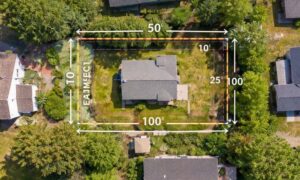
Boston is known for its charm, history, and beautiful neighborhoods. But if you own a home here, you already know one thing: space is tight. Homes sit close together, yards are small, and property lines often feel unclear. Because of this, even small projects can turn into big problems if boundaries are not confirmed first. That’s why a property line survey is so important.
Many homeowners skip this step because they assume fences, walls, or landscaping already show where their property ends. Sadly, this guess often leads to costly mistakes. On tight Boston lots, even a few inches can create serious trouble. And once construction starts, fixing these mistakes becomes stressful and expensive.
Why Tight Boston Lots Leave No Room for Error
In many Boston areas, homes sit just a few feet apart. Triple-deckers, row houses, and small single-family homes often share narrow side yards and tight back spaces. Because of this, property lines usually run very close to buildings, fences, and walkways.
Even more, many lots have uneven shapes that don’t follow straight lines. Some curve inward. Others shift at strange angles. Over time, fences, patios, and landscaping slowly move or change, which makes boundaries harder to see.
As a result, guessing where your property ends becomes risky. On larger lots, small mistakes may not matter much. But on a tight Boston lot, even a one-foot error can cause legal and financial problems.
Replacing an Old Fence Can Lock in a Big Mistake
One of the most common causes of boundary trouble is replacing an old fence.
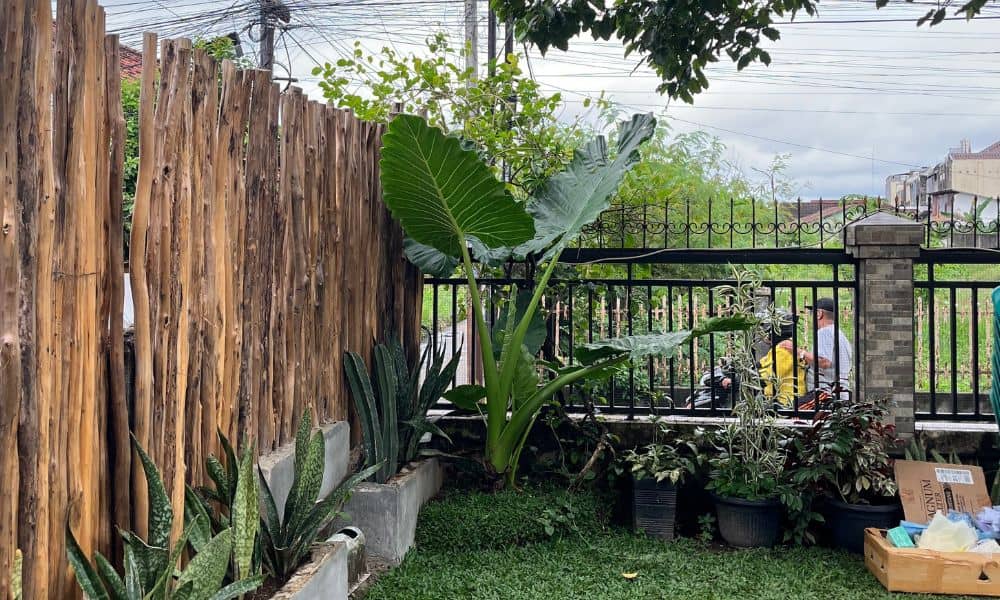
Many Boston fences were built decades ago. Back then, owners often placed them by sight or rough measuring. Over the years, these fences leaned, shifted, or got rebuilt in the same wrong spot. After a while, the fence looks permanent, even though it may not sit on the true boundary.
When homeowners replace a fence without ordering a property line survey, they often rebuild in the same incorrect place. At first, everything seemed fine. Later, problems show up when a neighbor renovates, sells, or builds.
At that point, the homeowner may need to tear down and rebuild the fence. This can easily cost thousands of dollars, especially if concrete or stonework is involved.
Backyard Projects That Quietly Cross the Line
Many homeowners think boundary problems only happen during large projects. In truth, small backyard upgrades cause most mistakes.
Patios, walkways, retaining walls, edging, sheds, and small decks often stretch beyond property lines. This usually happens because homeowners trust visible features instead of legal boundaries.
For example, a stone wall may look like a boundary. However, that wall may sit fully on one property or partly on both. Without a survey, there’s no way to know for sure.
Over time, these small changes become permanent. Then, when the home gets sold or inspected, the boundary problem finally comes to light — often when fixing it becomes hardest.
Rear Alleys and Shared Access Create Hidden Traps
Boston’s older neighborhoods often include rear alleys, shared driveways, and access paths. These areas help with trash pickup, parking, deliveries, and emergency access. However, many homeowners don’t realize that these spaces often come with legal access rights.
This is where trouble starts.
A homeowner may build a fence, shed, or gate that blocks part of this access. At first, no one complained. But later, a neighbor, city worker, or utility crew may need to use that space. Suddenly, the blockage becomes a serious problem.
Because these access rights don’t always look obvious, homeowners often believe the space belongs only to them. A property line survey clearly shows these shared areas and helps prevent costly mistakes.
Contractor Layout Errors Become the Homeowner’s Responsibility
Fence installers, landscapers, and patio builders usually depend on homeowners to show where boundaries are. They often measure from fences, walls, or visible features. While this saves time, it does not guarantee accuracy.
If a contractor builds in the wrong spot, the homeowner usually pays the price — not the installer. This means covering demolition, rebuilding, and sometimes legal costs.
Because of this, ordering a property line survey before construction begins protects homeowners from expensive errors. It gives contractors clear guidance and allows projects to move forward with confidence.
Permit and Inspection Problems on Tight Lots
Boston’s zoning rules leave little room for mistakes. Setbacks, lot coverage rules, and placement limits depend on accurate boundaries.
If fences, sheds, or patios cross the line, permit approvals may get delayed. In some cases, inspectors may stop the project or require removal.
These problems slow construction, increase costs, and cause frustration. Fortunately, many of these issues can be avoided by confirming boundaries early.
Sale and Refinance Complications
Boundary problems do not always appear right away. Many times, they surface when a property is sold or refinanced.
During these processes, buyers, lenders, and attorneys want clear proof of boundaries. If fences or structures appear too close to property lines, they may request a survey. Without recent documents, closings can slow down.
In some cases, deals get delayed while a last-minute survey is ordered. Worse, unclear boundaries can reduce buyer confidence and affect negotiations.
Having a current property line survey helps prevent these problems and keeps transactions moving smoothly.
When a Property Line Survey Is Essential
On tight Boston lots, a property line survey becomes especially important before:
- Installing or replacing fences
- Adding patios, walkways, or retaining walls
- Building sheds or small structures
- Installing gates near shared paths
- Making backyard improvements
- Working close to neighboring homes
In these situations, accurate boundaries prevent costly mistakes.
What a Property Line Survey Actually Provides
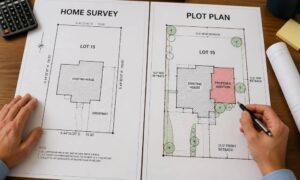
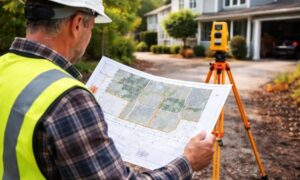
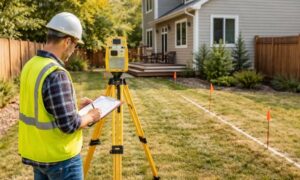
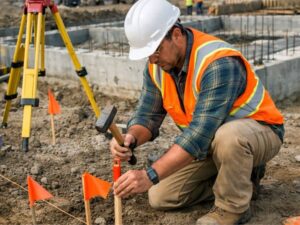
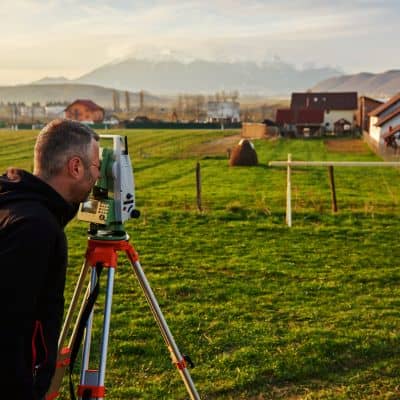
A professional property line survey does more than place a few flags. Licensed surveyors study legal records, review old plans, and use precise tools to measure the land. They locate or reset markers and prepare official documents.
This work gives homeowners peace of mind. It also provides clear guidance for contractors, city inspectors, and legal professionals.
Most importantly, it replaces guessing with certainty.
Final Thoughts: Certainty Saves Time, Money, and Stress
On tight Boston lots, small boundary mistakes can cause big problems. Fences get removed. Projects stall. Sales are slow. Stress rises.
Thankfully, these issues are avoidable.
A property line survey helps homeowners build with confidence, avoid costly repairs, and protect their investment. When inches matter, knowing the exact boundary makes all the difference.
Before starting your next project, take one smart step. Confirm your property lines. You’ll save time, money, and stress — and enjoy your home with peace of mind.