
Boston is heading into another busy construction season, and this year the pressure feels higher than usual. The city just released a new round of municipal infrastructure bids, and many of these projects need fast and accurate site data before work can begin. That’s why LiDAR mapping is now in the spotlight. Surveyors, engineers, and contractors across the city want quicker deliverables, and the new bid cycle is pushing everyone to move faster than before.
As the new year gets closer, developers and public-works teams face tight deadlines. They must submit plans, answer bid questions, and prepare design documents in a short amount of time. Because of this, many firms are searching for ways to collect site information without slowing down their progress. This shift is creating a clear trend across Boston: whoever delivers fast, reliable mapping data gains a strong advantage.
New Municipal Bids Show a Jump in Mapping Needs
At the start of December, Boston released its weekly City Record, listing active opportunities for construction, planning, and public-works projects. Anyone reading the report will notice the same thing. The city is investing in road upgrades, sidewalk repairs, bridge improvements, stormwater work, and building renovations. Even early planning studies need accurate ground data.
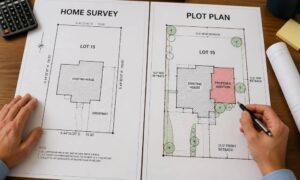
Every project on the list depends on solid mapping. Before a contractor submits a proposal, they must know the exact site conditions. They need to understand slopes, grades, building edges, drainage paths, and potential obstacles. Traditional surveying still works, but many sites are tight, busy, or hard to reach. So firms are turning to faster tools that allow them to meet bid deadlines without losing quality.
This is where LiDAR mapping becomes a major advantage. It captures millions of data points in a short time and turns them into clear 3D models designers can use right away. While basic surveys can take weeks, LiDAR often delivers usable results in days. With so many projects moving at once, speed matters more than ever.
Hiring Trends Point to Higher Demand for Mapping Skills
Along with the city bids, there’s another sign that Boston’s mapping workload is growing. Local engineering firms have opened new positions for survey managers, drone mapping technicians, and geospatial specialists. These job listings mention skills like 3D modeling, LiDAR processing, existing-conditions scanning, and digital mapping. This means companies expect more projects and want teams who can keep up.
And with the city pushing so many projects at once, teams also need the steady guidance of a professional land surveyor—someone who understands tight streets, older neighborhoods, and tricky site conditions. That kind of experience helps contractors collect clean data quickly and avoid mistakes that slow everything down. In a fast-moving construction season, that support matters a lot.
Because of this pressure, LiDAR mapping is becoming the preferred choice for both public and private projects. Companies that can gather field data fast and process it even faster stand out during the bidding process.
Why LiDAR Mapping Fits Boston’s Challenging Layout
Boston is a beautiful city, but it can be tough for fieldwork. Narrow streets, heavy foot traffic, historic areas, and complex underground utilities make traditional surveys slow and sometimes risky. Crews must work around parked cars, overhead lines, and busy sidewalks.
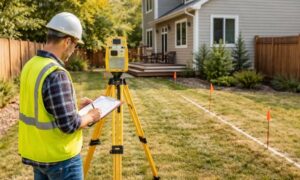
LiDAR mapping solves many of these challenges. Instead of spending long hours on site, crews can collect detailed data in a short visit. Since LiDAR sensors capture everything within range, they reduce the need for return trips. That saves both time and money.
LiDAR also creates a full 3D view of the area. Engineers and architects can measure distances, study grade changes, and spot issues from their desks. This makes the design process smoother and reduces mistakes.
Fast Deliverables Help Firms Compete for City Projects
Boston’s current bid cycle includes tight deadlines. Contractors know that waiting too long for site data may hurt their chances. With so many firms responding to the same opportunities, even a short delay can make a difference.
LiDAR deliverables help teams stay ahead. They support:
- pre-bid planning
- early design sketches
- better cost estimates
- simpler permitting conversations
When several teams submit proposals for the same job, those with accurate and fast mapping data stand out. They show they understand the site and can deliver results without risking delays.
Examples of How LiDAR Saves Time and Money

Boston has many areas where LiDAR mapping makes a big difference.
Historic neighborhoods: Places like Beacon Hill and the South End have steep slopes, old structures, and tight alleys. LiDAR captures these details in a single scan, giving designers a clear surface model.
Busy commercial areas: Downtown and Back Bay see constant traffic. Traditional survey crews often need to avoid cars and people, which slows progress. LiDAR allows fast scans from safe spots without blocking anyone.
Large redevelopment zones: Former industrial sites, waterfront areas, and open parcels need topographic and structural data. LiDAR gives developers a complete picture early, helping them make smarter choices.
In each case, LiDAR mapping helps teams work faster and avoid costly surprises.
What Teams Should Do Next
If you plan to bid on new projects, it’s smart to gather mapping data early. Waiting too long can create last-minute stress. Since many firms are preparing proposals now, mapping crews fill their schedules quickly.
LiDAR mapping offers fast results and supports strong teamwork. Everyone—from designers to builders—works from the same accurate 3D model. Even if you are still planning, getting a LiDAR scan now helps you adjust your ideas, build better estimates, and avoid problems later.
Conclusion:
Boston’s new municipal infrastructure bids are creating big opportunities for firms that move quickly. With more public-works projects, growing hiring trends, and increasing pressure to deliver accurate data, the demand for LiDAR mapping will only rise. The city is moving fast, and companies that adapt early will be ready for a strong year ahead.
If you’re planning to submit a bid or start a new project, now is the best time to invest in fast and reliable LiDAR mapping. It helps you stay competitive, avoid delays, and build with confidence.