Coastal flooding has become a growing concern in Boston. In the last few days, several news outlets reported that more than 400 hazardous and toxic sites across New England are at risk from future coastal flooding. Many of them sit near the shoreline, old industrial zones, and busy port areas. This story spread fast through climate groups, local Facebook pages, and neighborhood forums because the idea of rising seawater mixing with old industrial waste is frightening. And that brings us to the key question: how can a topographic survey help you understand your real flood risk, especially if you live near these vulnerable sites?
Even if your home looks safe on the surface, danger may be closer than you think. Floodwater does not flow evenly like a smooth lake. It follows the land, moving through low spots, alleys, drains, and driveways. When seawater rises during a storm or king tide, it looks for the lowest available point, which may be your home, yard, or basement—even if you live several blocks inland.
This latest report shocked many residents because the risk zones are not just in the Seaport or along South Boston’s piers. Some are tucked near older neighborhoods, behind warehouses, beside marinas, or next to industrial yards. They are easy to overlook until water starts moving.
And here’s the twist: Elevation is the decider. Inches matter.
Why Floodwater Doesn’t Spread the Way You Expect
People imagine ocean flooding like a bathtub filling evenly. In reality, water behaves more like a hunter. It searches, travels, and pushes into any pocket of low ground it can find.
Think of heavy rain you’ve seen pooling at the lowest corner of a parking lot. Floodwater behaves the same way, only stronger, dirtier, and more aggressive.
If your street is two inches lower than the street beside it, water can rush toward you. If your driveway slopes toward your basement door, water has a path. If the land behind your fence dips, that can become a collection zone. Where the land drops, water follows.
And in areas near industrial or hazardous sites, that water can carry more than mud.
How Hazard Sites Make Flooding More Dangerous
When a commercial or industrial site floods, the water doesn’t only get deeper—it gets contaminated.
It can pull old fuel residue from storage yards. It can disturb the soil around tank farms. It can lift chemicals from loading platforms and drains. It can mix with older industrial pollutants.
Now imagine that same water rolling toward homes. Floodwater is messy, but contaminated floodwater is something else entirely.
Why Topography Changes Your Risk Completely
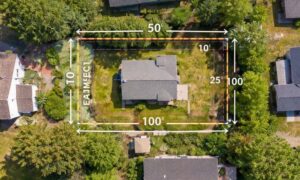
Two homes on the same street can have very different risk levels, even if they look identical. Elevation differences are invisible to the eye, but a topographic survey exposes them.
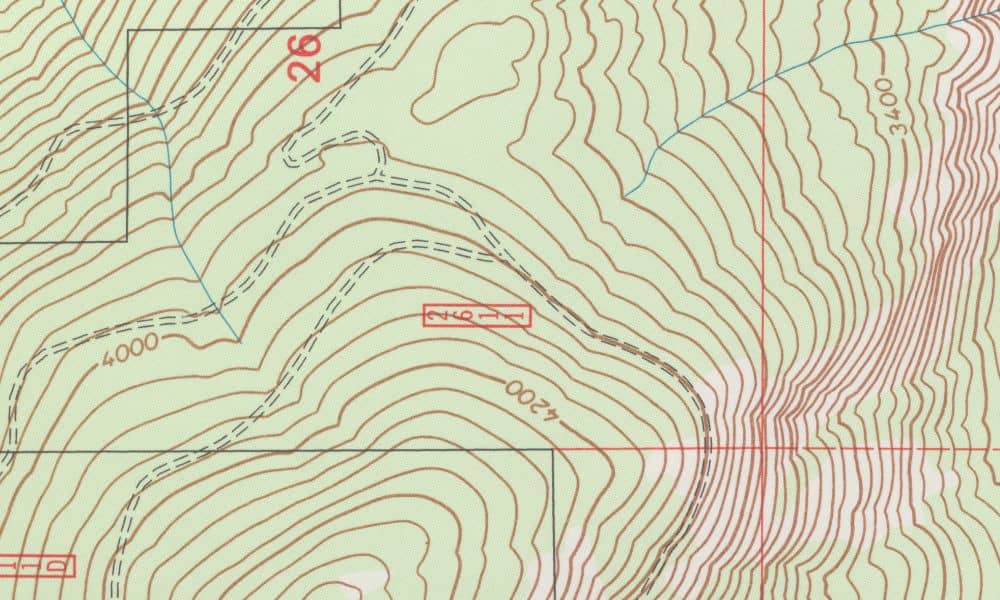
It shows the exact high and low points on your land, where slopes direct water, and where natural drainage paths form. It gives a precise picture of how rising water will behave around your home, not in theory, but in reality.
You learn where water will travel first, where it will settle, and where it will force itself inside. This information becomes priceless when storms hit.
Why Property Lines Don’t Define Flood Risk
A surprising thing happens during coastal flooding: water does not care who owns the land.
It flows across property lines, sidewalks, driveways, parking lots, alleys, retaining walls, and yards. In some Boston neighborhoods, even a gentle slope can send water from an old industrial lot straight toward residential blocks.
Sometimes, water sneaks behind buildings. Sometimes, it comes up through gaps between homes. Sometimes, it arrives from the street behind you, not the one in front.
Many homeowners never expect this—until it happens.
How a Topographic Survey Helps You Understand Real Exposure
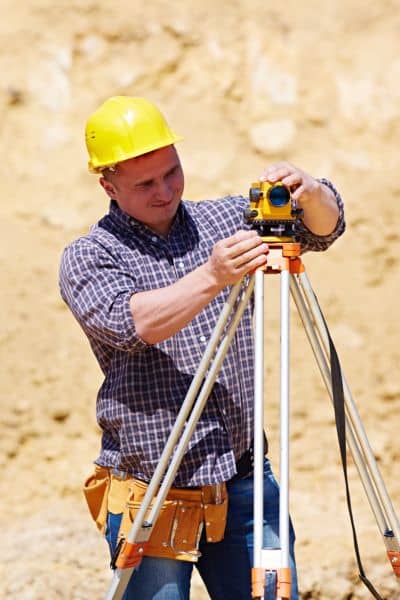
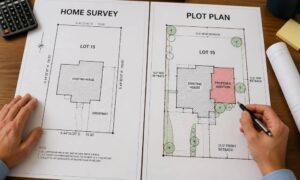
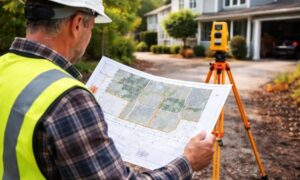
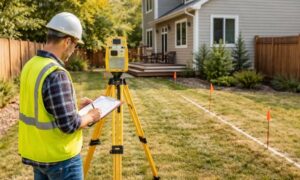
A topographic survey gives you a map of your property’s elevations so you can see, clearly, where water will move. It reveals:
• the lowest point on your land • how steep your yard really is • where water will flow during a storm • where it can enter your home • whether you sit downhill from a risky site
This is not guesswork. It is measured data. And once you see the elevation picture, everything becomes obvious—sometimes painfully obvious.
Boston Examples That Are Closer Than You Think
East Boston: A family sat two streets away from the water. A topographic survey showed their alley is the lowest point in the block. King tides always find it first.
Dorchester: Homes behind an old industrial space looked safe, but elevation data revealed a slope directing surge water straight toward them.
Seaport District: Depressions behind new buildings can trap contaminated floodwater even when streets stay dry.
When elevation changes, risk changes—no matter how far from the shoreline you may feel.
How to Know If You Should Be Concerned
Ask yourself:
Do I live near: • older industrial sites • reclaimed shoreline • former shipping yards • tank farms • scrap yards • cleanup zones
And does my street seem lower than the next one over?
If yes, then elevation matters more than you think.
Why Information Means Safety
Knowledge turns fear into action.
Once you understand your elevation reality, you can plan higher grading, better drainage, entrance protection, and safe retrofits. Sometimes you may decide to move vulnerable items or adjust access points. And sometimes… the survey tells you you’re safe. That alone is worth something.
A Last Thought
The ocean is changing. Storms are changing. Flood maps are changing.
But the land is not mysterious.
A topographic survey shows the truth, clearly and honestly. And if contaminated floodwater becomes part of Boston’s future, knowing your elevation position may be one of the smartest decisions you ever make—for your home, your family, and your investment.
If you want guidance in understanding your elevation risk, we’re here to help you figure it out.