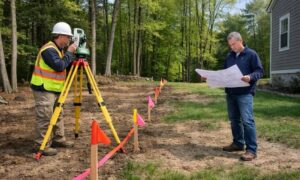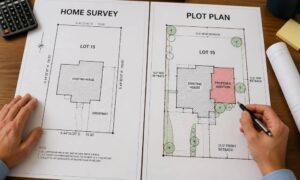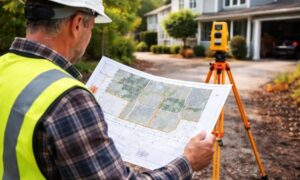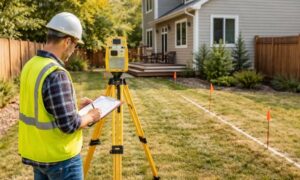

If you own a home in Boston, you’ve probably heard the term residential survey at some point. Maybe you’re buying a new house, planning a fence, or thinking about an addition. Whatever the reason, a residential survey is your best way to know exactly where your property begins and ends.
Here’s the thing though: your surveyor can only do their job well if your property is ready for them. A little prep on your end means faster results, fewer delays, and more accurate information. Plus, it usually saves you money.
Why Preparing for a Residential Survey in Boston Really Matters
Boston isn’t like other cities. Many of our neighborhoods are packed with older homes, narrow lots, and boundary lines that go back to the 1800s. That means surveys here can be tricky. You don’t want your contractor to start digging for a new patio in South Boston only to find out later that half of it sits on your neighbor’s land. Trust me, that kind of dispute is stressful, expensive, and totally avoidable.
When you prepare ahead of time, you help your surveyor move quickly and give them a clear view of your property. That means fewer return trips, less guesswork, and a survey you can rely on.
Step 1: Round Up Your Property Documents
Start with your paperwork. Pull together your deed, title, and any old surveys you may have. Even if the survey is decades old, it’s still useful. If you’ve done renovations like a new deck, garage, or addition, grab those permits too.
Not sure where to find them? Don’t worry. In Boston, you can usually grab copies from the Registry of Deeds or the Inspectional Services Department. And if you’re curious about how surveys are done across the state, there’s also a great resource on ALTA surveying standards that breaks things down in plain English.
Step 2: Clear Up Your Boundaries
Surveyors need to move around the entire property, sometimes even stepping into an alley, shared driveway, or easement. Unlock your gates, open sheds, and clear pathways. If you live in a triple-decker or multifamily in East Boston, let tenants know the survey is happening. A heads-up keeps things simple and avoids surprises.
Oh, and if you have pets, make sure they’re safely inside. Even a friendly dog can get in the way of survey equipment.
Step 3: Make Sure There’s Easy Access
Surveyors need to move around the entire property, sometimes even stepping into an alley, shared driveway, or easement. Unlock your gates, open sheds, and clear pathways. If you live in a triple-decker or multifamily in East Boston, let tenants know the survey is happening. A heads-up keeps things simple and avoids surprises.
Oh, and if you have pets, make sure they’re safely inside. Even a friendly dog can get in the way of survey equipment.
Step 4: Move Temporary Obstacles Out of the Way
This one is easy but makes a big difference. Surveyors use tripods, GPS gear, and measuring tools that need open space. If you’ve got cars in the driveway, outdoor furniture in the yard, or even trash bins along the fence line, move them before the surveyor arrives.
Boston yards are often compact, and every bit of clear space helps. A few minutes of tidying saves the surveyor from working around obstacles—and that usually means a lower bill for you.
Step 5: Talk with Your Surveyor
Don’t be shy—talk to your surveyor before the appointment. If you think your neighbor’s fence crossed onto your lot in West Roxbury or you’ve noticed a shed sitting close to your boundary in Hyde Park, let them know. These details help them pay extra attention to potential trouble spots.
You can also ask questions. A good surveyor won’t mind. Every property in Boston has its quirks, and communication makes sure you get exactly what you need from the survey.
Common Mistakes Homeowners Make
Here are a few slip-ups we see all the time:
- Leaving gates locked so surveyors can’t reach the back lot.
- Forgetting to move vehicles or equipment.
- Not trimming back bushes or trees around fences.
- Overlooking paperwork like deeds or old surveys.
- Assuming fences show the true property line (spoiler: they often don’t in Boston!).
Avoid these mistakes, and your residential survey will be smoother, quicker, and more accurate.
Quick Homeowner Checklist
Here’s your last-minute prep list before your residential survey:
✅ Deed, title, and old survey copies ready
✅ Property lines cleared and visible
✅ Gates unlocked and pathways open
✅ Pets inside and safe
✅ Trash bins, cars, and furniture moved
✅ Concerns or disputes shared with your surveyor
If you can check these off, you’re ready.
Wrapping It Up
Preparing your property for a residential survey doesn’t have to be a hassle. With a little effort: gathering documents, clearing space, and opening access you’ll make the process smooth and stress-free. More importantly, you’ll protect your investment and avoid future disputes.
If you’re planning a renovation, buying a home, or just want peace of mind about your boundaries, now is the time to schedule your survey. As a Boston homeowner, you know land is valuable here, and a professional residential survey gives you confidence in every decision.