Buying a small lot can feel like a smart move. The price looks right. The location seems perfect. And at first glance, it feels like you can build right away.
However, that’s not always the case.
Many small lots look buildable but come with hidden limits. Some can’t support a home at all. Others allow building, but only after major changes. Because of this, buyers often run into problems after they’ve already committed.
That’s why a lot survey becomes one of the most important tools you can use early on. It gives you a clear picture of what the land can actually handle, so you can see how a lot survey can help before you build and avoid making decisions based on guesswork.
Why Some Boston Lots Look Buildable but Aren’t
In Boston, land has a long history. Many lots were divided years ago under different rules. Today, those same lots still exist, but they don’t always meet current standards.
So even if a lot has an address and shows up in listings, it may not support a new structure. The size might look fine at first, yet the layout, access, or other limits can still get in the way.
Because of this, you can’t rely on appearances alone. A lot survey helps you move past those early assumptions and get a clearer sense of the property. Once you review what a lot survey shows you upfront, you start to see where problems can come up.
When the Street Connection Isn’t Enough
A lot may sit right along a road, which makes it seem easy to access. However, that connection doesn’t always meet the rules needed for building.
Some lots don’t have enough street frontage. Others look wide enough but narrow at key points. In some cases, a driveway exists, but it doesn’t legally belong to the lot.
At first, these details are easy to miss. Yet they can stop a project before it even begins.
A lot survey shows exactly how the lot meets the street and whether that connection works under local requirements. Because of that, you can avoid moving forward based on a false assumption.
The Space You Can Use Is Often Smaller Than It Looks
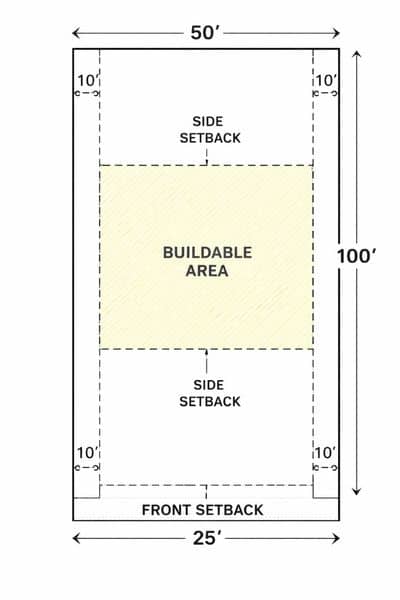
Many buyers focus on total lot size. For example, a listing might show 5,000 square feet. That sounds like plenty of room.
However, you can’t build on all of it.
Setbacks require open space around the edges of the lot. On a small parcel, these limits can take up a large portion of the land. As a result, the area you can actually build on becomes much smaller.
This is where things often fall apart. A design that fits on paper may not fit within the allowed space.
A lot survey helps you see the real buildable area. Instead of guessing, you understand how much room you truly have.
What You Don’t See Can Stop Your Project
Not every issue sits on the surface. In fact, some of the biggest problems lie underground.
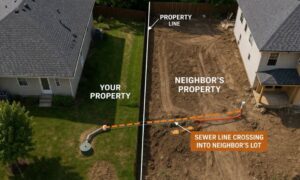
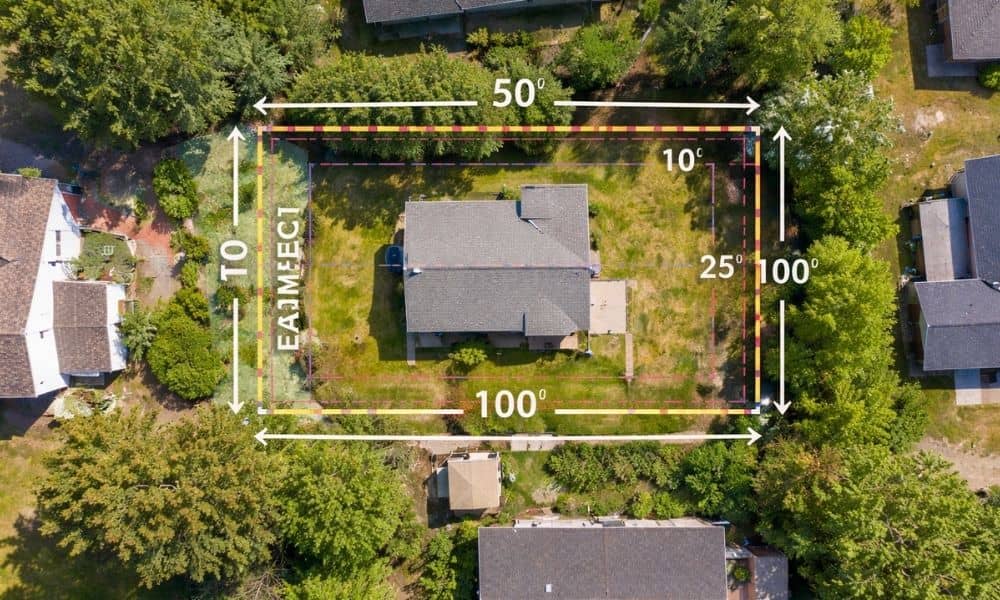
Utility lines, drainage paths, and easements can run through a lot without any visible signs. Because of this, a lot may look clear while still having major limits.
Once you start planning a build, these hidden features come into play. You may find that part of the lot cannot be used at all.
A lot survey brings these details to light. It shows where these features exist so you can plan around them—or decide if the lot is worth it.
Shape Matters More Than Most Buyers Expect
Not all lots follow a simple shape. In Boston, many are narrow, angled, or uneven.
At first, the total size may seem enough. However, once you try to place a home on that shape, challenges appear. A layout that works on a standard lot may not fit here at all.
This often leads to redesigns, delays, or even giving up on the project.
With a lot survey, you see the exact layout from the start. Because of that, you can plan with confidence instead of trial and error.
A Situation That Happens More Than You Think
It’s common for buyers to find a small lot that looks like a great deal. The price feels right, and the location checks all the boxes.
So they move forward.
However, once a lot survey comes in, the situation changes. The frontage doesn’t meet requirements. The buildable space turns out to be limited. Or a hidden restriction cuts through the middle of the lot.
Suddenly, the project no longer works the way they planned.
While that can feel frustrating, it’s still better to find out early. A survey helps you avoid deeper costs that come later.
Why Small Lots Carry Higher Risk
Larger properties often give you flexibility. If one area has a problem, you can shift your plans.
Small lots don’t offer that option.
Every foot matters. Every restriction affects your design. Because of that, even a small issue can become a major obstacle.
A lot survey reduces that risk. It gives you a full understanding of the land before you commit to building.
Seeing the Full Picture Before You Decide
At the end of the day, a small lot can either be a great opportunity or a costly mistake. The difference often comes down to what you know before you move forward.
A lot survey helps you see the full picture. It shows what works, what doesn’t, and what adjustments may be needed.
Instead of relying on guesswork, you make decisions based on clear information.
And in a place like Boston, where space is limited and rules are strict, that clarity can make all the difference.