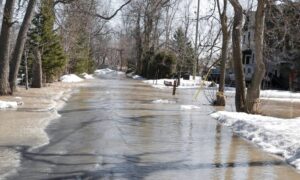
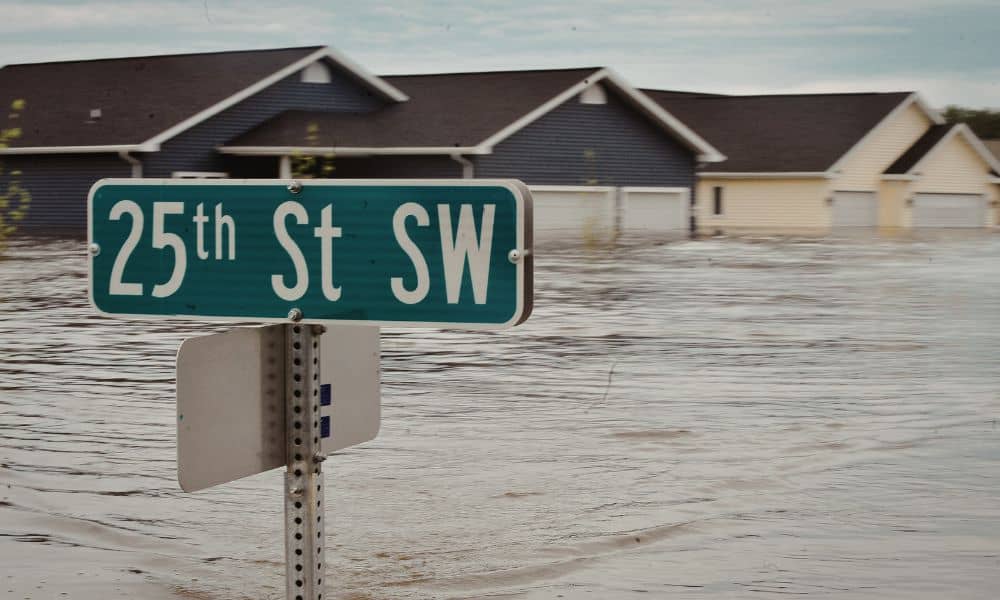
Flood warnings are back in Boston, and once again, homeowners feel uneasy. Storm alerts, king tide forecasts, and coastal flooding news spread quickly across social media and local reports. Even when streets clear fast, the worry lingers. Many people start asking the same question: Is my flood insurance about to increase? In Boston, that concern makes sense. The city sits along the coast, near several rivers, and on land shaped by centuries of development. Because of that, even small storms can raise flood risk concerns. More importantly, insurance companies and mortgage lenders often react to these warnings by reviewing policies and risk levels. That’s why having an elevation certificate can make a huge financial difference.
Why Flood Warnings Affect More Than Just the Weather
Flood warnings don’t always mean disaster. In many cases, they lead to brief street flooding, clogged drains, or rising water along the harbor. However, insurers and lenders see something else. They see potential risk.
When storms increase in frequency, insurance companies review flood exposure. At the same time, lenders tighten their rules to protect their investments. As a result, homeowners may receive notices about higher premiums, new coverage requirements, or extra documentation requests.
This often catches people off guard. After all, their homes may have never flooded. Still, insurance decisions depend on risk modeling, not personal experience. Because of that, documentation becomes critical. That’s where an elevation certificate enters the picture.
The Hidden Cost of Flood Risk
Flood insurance can get expensive, especially in coastal or low-lying areas. In some neighborhoods, annual premiums reach thousands of dollars. Over time, those costs add up fast.
Even worse, many homeowners don’t understand why they pay more than their neighbors. Two homes can sit on the same street yet receive very different insurance quotes. That difference usually comes down to elevation, not location.
Since Boston has varied terrain, elevation can change by inches or feet within short distances. A house that sits slightly higher than flood levels can qualify for lower premiums. Meanwhile, a nearby home that sits lower may face much higher rates. Without clear measurements, insurance companies rely on assumptions. Unfortunately, those assumptions often lean toward higher risk.
How an Elevation Certificate Protects Your Wallet
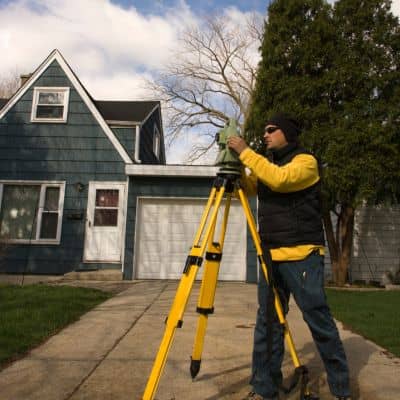
An elevation certificate shows exactly how high your home sits compared to the expected flood level in your area. It replaces guesswork with facts.
Instead of relying on flood maps alone, insurers can use this document to calculate real risk. When your home stands above the base flood level, your insurance cost can drop. In some cases, homeowners save hundreds or even thousands of dollars every year.
Beyond insurance, lenders also rely on elevation data. When refinancing, applying for a home equity loan, or closing on a new mortgage, lenders often ask for proof of flood risk. An elevation certificate provides that proof. Because of that, it can prevent delays, reduce required coverage, and smooth the approval process.
Same Street, Different Bills: Why Neighbors Pay Less
Many homeowners feel frustrated when they learn their neighbors pay far less for flood insurance. This situation happens more often than people realize.
Several factors influence these differences:
- Small elevation changes
- Foundation design
- Finished basements
- Crawl spaces
- Grading around the home
In Boston, older homes often have garden-level units, uneven foundations, or remodeled basements. These features affect how the lowest floor gets measured. Even a small change can push a home into a higher-risk category.
That’s why proper elevation measurement matters so much. An elevation certificate captures these details and allows insurers to rate your home accurately. Without it, assumptions may place you into a higher risk bracket than necessary.
Real Boston Situations Where This Matters Most
Flood warnings often remind homeowners of their exposure. Still, several everyday situations also trigger insurance reviews and lender requests.
For example:
- Insurance renewal season
- Mortgage refinancing
- Home equity line of credit applications
- Major renovations
- Property sales
During these moments, flood risk gets re-evaluated. If your documentation doesn’t reflect your actual elevation, costs can rise quickly. Many homeowners only discover this problem after receiving a premium increase or lender notice.
In Boston neighborhoods near the harbor, rivers, and low-lying zones, this scenario plays out regularly. Areas like East Boston, South Boston, Dorchester, and Charlestown face constant exposure to these reviews. That’s why proactive planning helps protect long-term finances.
When Flood Warnings Should Prompt Action
Storm seasons and king tides create perfect timing for reviewing flood exposure. During these periods, insurers become more alert. As a result, documentation holds extra weight.
If your insurance renewal approaches, flood warnings should encourage a closer look at your risk classification. Likewise, if you plan to refinance or renovate, now is the right time to prepare.
By having an elevation certificate ready, you gain control over the conversation. Instead of reacting to rate hikes, you can submit verified data that supports fair pricing.
Common Myths That Cost Homeowners Money
Many homeowners rely on assumptions that quietly drain their finances.
Some common beliefs include:
“My home never flooded, so I’m safe.” “My neighbor doesn’t carry flood insurance.” “Flood maps are always accurate.”
Unfortunately, none of these statements guarantee low risk. Insurance pricing depends on elevation measurements, not personal history. Neighbors may sit slightly higher. Maps may not capture every elevation detail. As a result, verified documentation becomes the only reliable defense.
Why Boston Faces Higher Flood Risk Scrutiny
Boston’s geography creates unique challenges. Coastal exposure, rising sea levels, stronger storms, aging drainage systems, and dense development all increase flood vulnerability. As climate patterns shift, insurers continuously adjust risk models.
Because of that, flood classifications may feel stricter year after year. Homeowners who stay proactive can reduce the impact. Those who wait often face sudden increases with little warning.
The Bottom Line
Boston flood warnings don’t just affect daily commutes or waterfront views. They directly influence insurance premiums and mortgage decisions. While you can’t control the weather, you can control how your home gets evaluated.
An elevation certificate provides accurate data that protects your finances. It replaces assumptions with facts and gives you leverage during insurance and lender reviews. For many Boston homeowners, that difference adds up to thousands of dollars in savings each year.
If recent flood warnings have raised concerns about your insurance or mortgage requirements, now becomes the right time to take action. With proper documentation, you stay prepared, protected, and financially confident.