A Boston homeowner recently faced a problem that many people quietly worry about. A neighbor claimed the backyard fence sat a few feet over the property line. At first, it sounded minor. However, the disagreement quickly turned tense. Voices rose. Old assumptions surfaced. Each side felt confident. Instead of arguing, the homeowner ordered a boundary survey. The boundary survey cost came in at about $2,000.
That single decision stopped the conflict before it grew into something expensive and ugly.
Here’s what happened — and why homeowners should pay attention.
How the Dispute Started
The fence had stood for years. In fact, no one questioned it when the home changed hands. Then one afternoon, the neighbor mentioned plans to rebuild his side yard. While measuring, he believed the fence crossed into his lot.
Now the conversation shifted from friendly to defensive.
The neighbor suggested splitting the cost of a survey. The homeowner hesitated. After all, $2,000 feels like a lot for “just a few feet.” Still, tension grew. So instead of debating maps online or guessing, they hired a licensed land surveyor.
That move changed everything.
What the Survey Revealed
After researching deeds and visiting the property, the surveyor located the true property corners. Some old markers had shifted over time. In addition, landscaping and past fence repairs had blurred the visual line.
The survey showed the fence actually sat inside the homeowner’s property — not the neighbor’s.
Because of that clear result, the disagreement ended.
No lawyers. No fence removal. No court filings.
Just facts backed by professional measurements.
Why Boundary Disputes Happen So Often in Boston
Boston creates the perfect conditions for small property line conflicts.
First, many neighborhoods developed more than 100 years ago. Builders used old descriptions that relied on stone bounds, iron pipes, and handwritten angles. Over time, those markers move, rust, or disappear.
Second, lots sit close together. In places like Dorchester, South Boston, or Jamaica Plain, one foot matters. A deck, driveway, or retaining wall can cross a line without anyone noticing.
Third, people trust what they see. If a fence stands for 20 years, most assume it marks the boundary. However, fences rarely match exact legal lines unless someone surveyed the lot before installation.
Because of these factors, boundary confusion builds quietly. Then one day, a renovation, refinance, or sale brings it to light.
What Goes Into Boundary Survey Cost
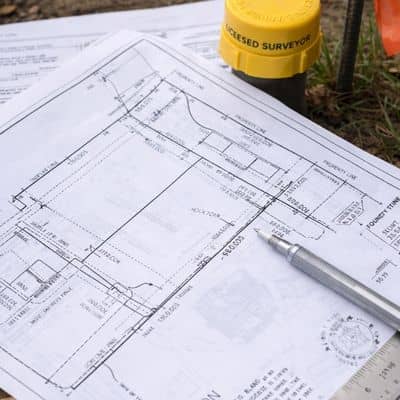
Many homeowners ask why a boundary survey costs around $1,800 to $3,500. After all, it seems like someone simply measures and places stakes.
In reality, the process involves much more.
First, the surveyor researches recorded deeds, subdivision plans, and prior surveys. In Boston, that research often takes time because older parcels contain layered descriptions.
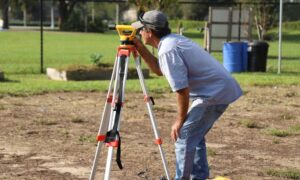
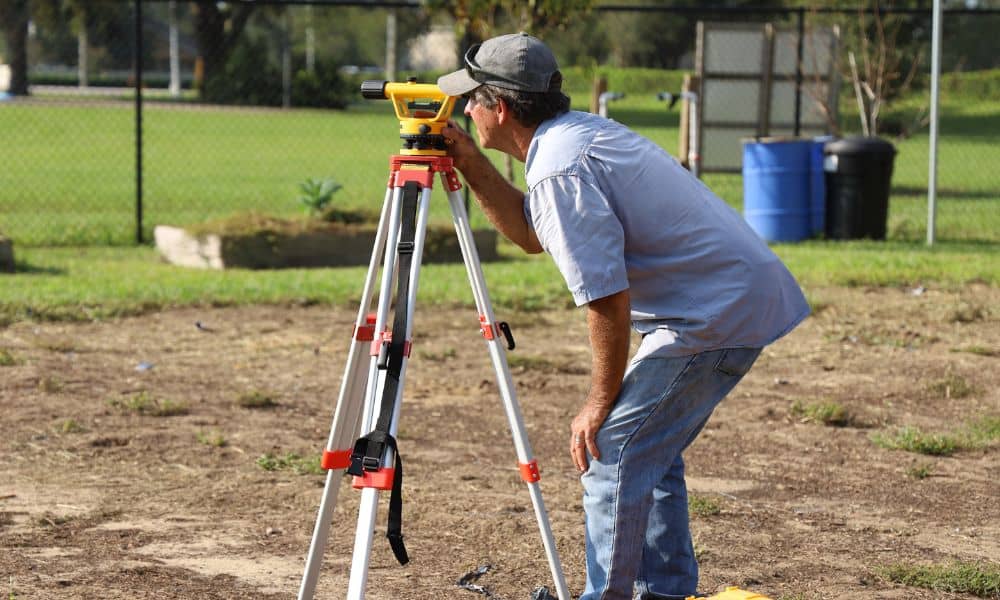
Next, the surveyor performs fieldwork. They locate existing markers, measure angles and distances, and compare those findings with the written records.
If markers sit missing, they reconstruct the boundary using evidence from surrounding properties.
Finally, they prepare a signed and sealed plan that stands up in court, at City Hall, or during a real estate closing.
So when you consider the skill, liability, and time involved, the boundary survey cost reflects professional reconstruction — not just a quick visit with a measuring tape.
What Could Have Happened Without the Survey
Now imagine the homeowner skipped the survey.
The neighbor might have rebuilt the fence in the wrong place. That mistake alone could cost several thousand dollars. Worse, if either side involved attorneys, hourly fees would add up fast.
In Massachusetts, property disputes can stretch into months of back-and-forth letters. Court filings alone cost money. Moreover, tension between neighbors rarely fades once lawyers enter the picture.
Even if no lawsuit followed, the issue could resurface during a future sale. A buyer’s attorney might question the fence location. That uncertainty could delay closing or reduce the sale price.
Compared to those risks, a $2,000 boundary survey cost feels small.
Boundary Survey Cost vs. The Real Cost of Conflict
Let’s put it in perspective.
A typical Boston fence replacement may cost $4,000 to $10,000. Attorney consultations often run $300 to $500 per hour. Litigation can reach tens of thousands of dollars.
Meanwhile, the average boundary survey cost often falls below one month of mortgage payments in many neighborhoods.
In other words, the survey acts like insurance. It protects your land, your peace of mind, and your property value.
When Homeowners Should Order a Boundary Survey
You do not need to wait for a dispute.
In fact, you should consider a boundary survey before:
- Installing a fence
- Building a deck or addition
- Paving a driveway
- Combining two lots
- Listing your home for sale
- Responding to a neighbor’s claim
By ordering a survey early, you control the situation. Instead of reacting emotionally, you respond with facts.
What Impacts Boundary Survey Cost
Not every property carries the same price.
Older subdivisions often require more research. Missing monuments increase field time. Tight urban access makes measurements slower. In addition, steep terrain or heavy landscaping can complicate work.
Furthermore, if you need a stamped plan for permits or court use, the surveyor must prepare formal documentation.
Because of these factors, two similar-sized lots may receive different quotes. Therefore, when comparing prices, always confirm what each survey includes.
The Bigger Lesson
The homeowner who paid $2,000 did not waste money. Instead, they bought clarity.
They avoided conflict. They protected their investment. They preserved a working relationship with their neighbor.
In a city like Boston, where homes sit close and land values remain high, small boundary questions carry big consequences.
So when you think about boundary survey cost, do not view it as an expense alone. View it as protection.
Clear lines create calm conversations. Clear documentation prevents legal headaches. Clear ownership supports long-term property value.
And sometimes, a single survey prevents years of tension.
If you live in Boston and uncertainty exists around your property line, address it before frustration grows. A professional boundary survey gives you something stronger than opinion — it gives you proof.
In the end, proof costs far less than conflict.